Hey there! As a supplier of face mill cutter heads, I've seen firsthand how crucial it is to optimize the insert selection for these tools. In this blog post, I'm gonna share some tips and tricks to help you make the best choices for your machining needs.
First off, let's talk about what inserts are and why they matter. Inserts are the cutting edges of the face mill cutter head. They're made of various materials like carbide, ceramic, and high-speed steel, and they come in different shapes and sizes. The right insert can make a huge difference in the performance of your cutter head, affecting things like cutting speed, surface finish, and tool life.
One of the first things to consider when selecting inserts is the material you'll be machining. Different materials require different types of inserts. For example, if you're cutting a hard material like stainless steel, you'll need an insert with a high level of wear resistance. Carbide inserts are a popular choice for this type of application because they're extremely hard and can withstand high cutting forces. On the other hand, if you're machining a softer material like aluminum, you might be able to get away with a less expensive insert made of high-speed steel.
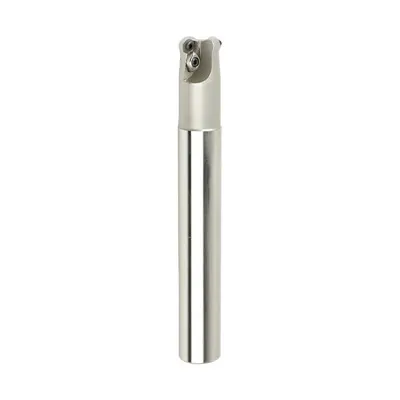
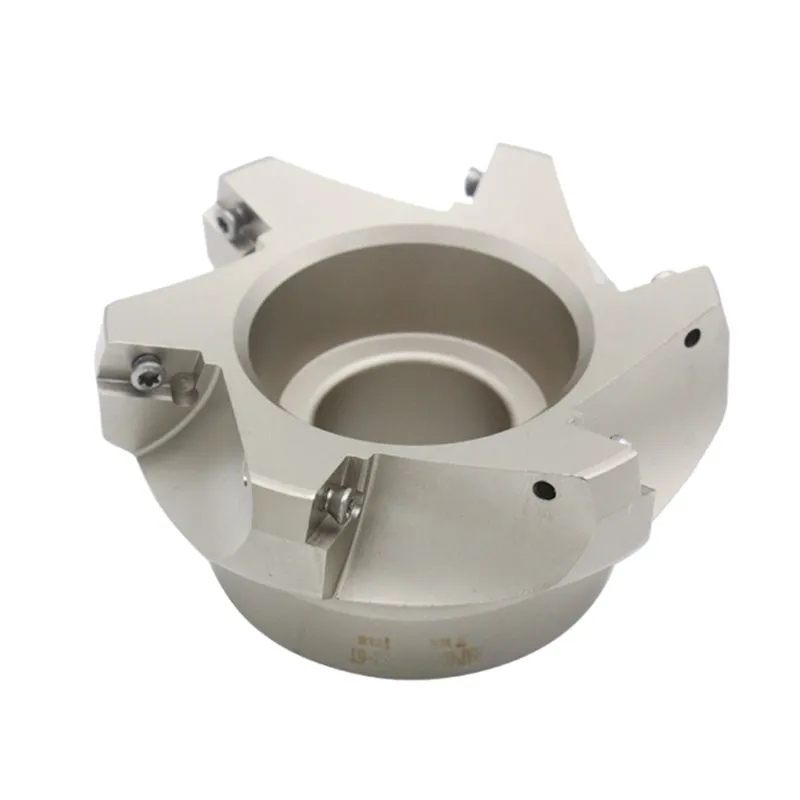
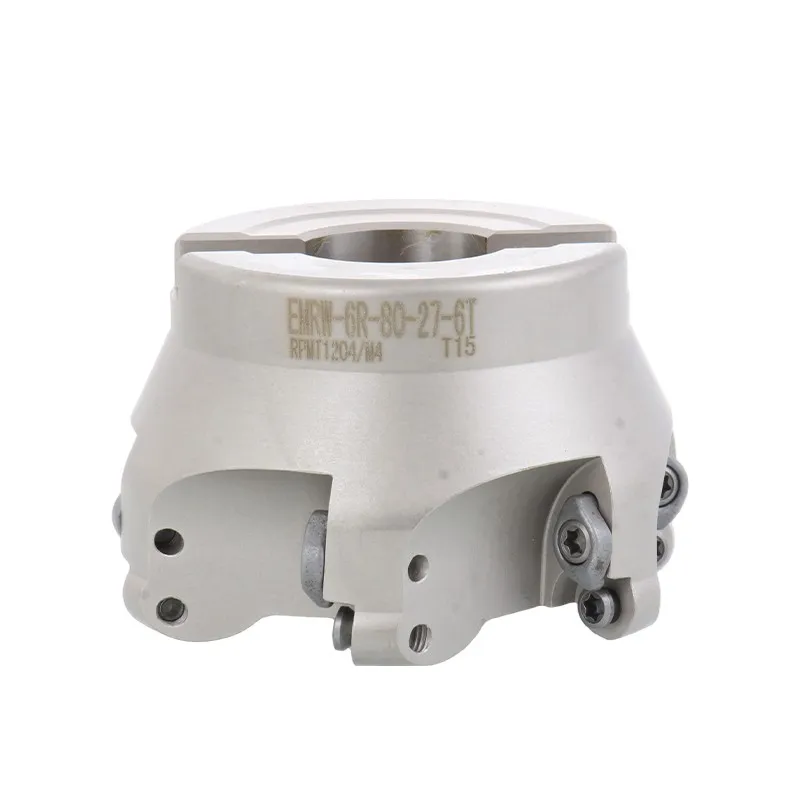
Another important factor to consider is the geometry of the insert. The shape of the insert can have a big impact on the cutting process. For instance, a round nose insert like the Round Nose Face Milling Cutter is great for creating smooth, curved surfaces. It distributes the cutting forces evenly, reducing the risk of chipping and improving the surface finish. A 75 heavy-duty roughing face milling cutter, like the one you can find at 75 Heavy-Duty Roughing Face Milling Cutter, is designed for removing large amounts of material quickly. It has a more aggressive cutting edge that can handle heavy cuts.
The 90 face milling cutter, as seen at 90 Face Milling Cutter, is ideal for creating flat surfaces. It has a 90-degree cutting edge that allows for precise machining. This type of cutter is often used in applications where a high level of accuracy is required.
In addition to the material and geometry, you also need to think about the coating on the insert. Coatings can improve the performance of the insert by reducing friction, increasing wear resistance, and improving chip evacuation. There are several types of coatings available, such as titanium nitride (TiN), titanium carbonitride (TiCN), and aluminum oxide (Al2O3). Each coating has its own unique properties, so it's important to choose the one that's best suited for your application.
Let's also talk about the number of inserts on the cutter head. The more inserts you have, the higher the feed rate you can use. However, having too many inserts can also increase the cost and make the cutter head more difficult to balance. You need to find the right balance between the number of inserts and the performance you need.
Now, let's get into some practical tips for optimizing your insert selection. First, start by understanding your machining requirements. What kind of material are you cutting? What kind of surface finish do you need? How much material do you need to remove? Once you have a clear understanding of these requirements, you can start looking for inserts that meet your needs.
It's also a good idea to test different inserts in your application. You can do this by running a few test cuts with different inserts and comparing the results. Pay attention to things like cutting speed, surface finish, and tool life. This will help you determine which insert is the best fit for your specific application.
Another tip is to work with a knowledgeable supplier. As a face mill cutter head supplier, I can offer you expert advice on insert selection. I can help you understand the different types of inserts available and recommend the ones that are best suited for your needs. I can also provide you with samples of different inserts so you can test them in your application.
Finally, don't forget about maintenance. Proper maintenance of your cutter head and inserts is essential for optimal performance. Make sure to clean your cutter head regularly and replace worn or damaged inserts as soon as possible. This will help you get the most out of your investment and ensure that your machining operations run smoothly.
In conclusion, optimizing the insert selection for face mill cutter heads is a crucial step in achieving high-quality machining results. By considering factors like the material you're machining, the geometry of the insert, the coating, and the number of inserts, you can choose the right inserts for your application. And if you need any help or advice, don't hesitate to reach out. We're here to help you make the best choices for your machining needs.
If you're interested in purchasing face mill cutter heads or inserts, we'd love to have a chat with you. Just drop us a line, and we can start discussing your requirements and finding the perfect solutions for your business.
References
- "Machining Handbook" by Industrial Press Inc.
- "Cutting Tool Engineering" magazine