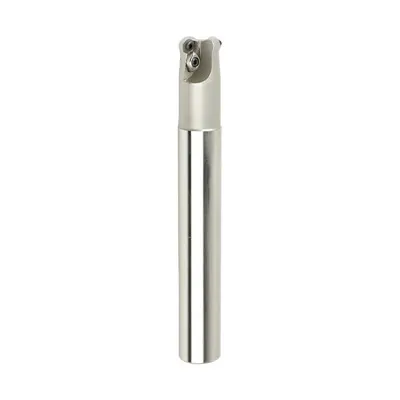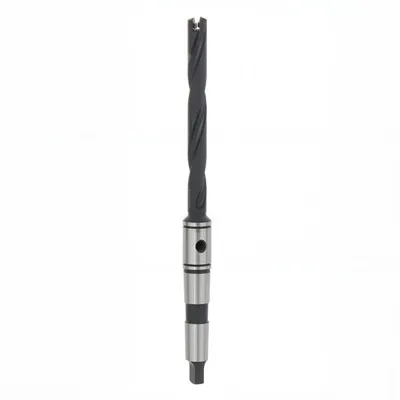
Hey there! If you're into DIY projects or work in the manufacturing industry, you've probably used drill bits. But, have you ever wondered about the difference between a countersink drill bit and a regular drill bit? Well, I'm here to spill the beans and share my insights having been a drill bit supplier for a while.
What's a Regular Drill Bit?
Let's start with the basics. A regular drill bit is what you'll find in most toolboxes. It's designed to create holes in various materials like wood, metal, and plastic. The most common type is the twist drill bit. You can find them in different sizes and materials, such as high - speed steel (HSS). For instance, our HSS Twist Drill Set is a popular choice among our customers. These bits have a spiral flute that helps in removing the chips as you drill, keeping the hole clean and the drilling process efficient.
Regular drill bits come in different geometries depending on the material they're meant to drill. For wood, the bit might have a sharp point and wide flutes to quickly remove the soft wood chips. For metal, the bit is usually made of harder materials and has a more precise tip to penetrate the tough surface. Some regular drill bits have a Morse taper shank, like our Morse Taper Shank Twist Drills, which are great for using in larger industrial drill presses.
What's a Countersink Drill Bit?
Now, let's talk about countersink drill bits. These are a bit different. A countersink drill bit is used to create a conical recess at the top of a drilled hole. This recess is useful for a few reasons. First, if you're using flat - head screws, the countersink allows the screw head to sit flush with the surface. No more protruding screws ruining the look of your project! Second, it helps prevent the screw from cracking or splitting the material by providing a smooth transition for the screw to enter.
Countersink drill bits have a specific angle, typically 82 degrees or 90 degrees, which is designed to match the angle of the screw head. They come in different sizes too, so you can choose one that fits your screw. For example, if you're using a small flat - head screw, you'll need a smaller countersink bit.


Key Differences
1. Function
The most obvious difference is the function. A regular drill bit is all about making holes. Whether it's for hanging a picture, building a piece of furniture, or making a hole for wiring, that's its main job. On the other hand, a countersink drill bit modifies an existing hole. It's used after you've drilled a hole with a regular bit to make it suitable for flat - head screws.
2. Shape
Shape is another big difference. Regular drill bits are usually cylindrical with a pointed tip and spiral flutes. The flutes help in chip removal and also provide the cutting action as the bit rotates. Countersink drill bits, however, have a conical shape. They start with a small point at the tip and gradually widen towards the base, creating that characteristic conical recess.
3. Cutting Angles
The cutting angles on regular and countersink drill bits are different. Regular drill bits have cutting edges that are designed to cut straight into the material. The angle of these edges is optimized for the type of material being drilled, like a steeper angle for harder metals. Countersink drill bits have angled cutting edges that match the angle of the conical recess they create. As mentioned earlier, the common angles are 82 degrees or 90 degrees.
4. Applications
Regular drill bits have a wide range of applications. You can use them to drill holes in almost any material for various purposes. In construction, they're used to make holes for nails and screws, in plumbing for pipe fittings, and in electrical work for wiring. Countersink drill bits, on the other hand, are more specialized. They're mostly used in woodworking, cabinetry, and metalworking when you need to install flat - head screws.
When to Use Each Type
When to Use a Regular Drill Bit
- If you just need to create a hole for a round - head screw, bolt, or dowel, a regular drill bit is your go - to. For example, if you're attaching two pieces of wood using a round - head screw, you'll first drill a hole with a regular bit to prevent the wood from splitting.
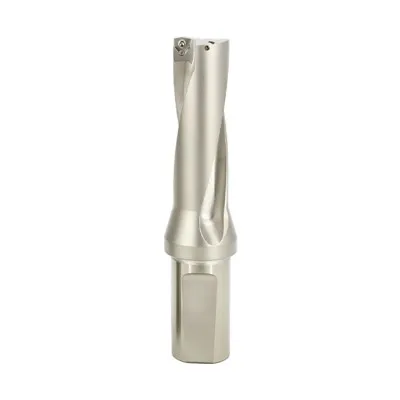
- In metalworking, when you're making holes for rivets or for inserting pipes, a regular drill bit is the right choice. Our WC - Type U - Drills are great for precision drilling in metal.
- For general DIY projects like making holes in plastic or drywall, a regular drill bit is sufficient.
When to Use a Countersink Drill Bit
- When you're using flat - head screws and want a smooth, flush finish. In furniture making, for example, countersunk screws give the piece a professional look.
- In electrical work, when you need to mount a switch or an outlet cover flush with the wall. The countersink ensures that the screw heads don't stick out.
- When you're working on a project where the aesthetic aspect matters, like cabinet making or woodworking crafts.
Other Types of Drill Bits in Our Range
Apart from regular and countersink drill bits, we also offer a variety of other drill bits to meet different needs.
HSS Center Drills are used to create a starting point for drilling. They're great for ensuring that your drill bit doesn't wander when you start drilling a hole. This is especially important when drilling in hard materials or when you need a very precise hole.
Side - Lock Spade Drills are designed for drilling large - diameter holes in wood. They have a flat, paddle - shaped design that allows for quick and efficient hole - making in wooden materials.
Conclusion
So, there you have it! The difference between a countersink drill bit and a regular drill bit boils down to their function, shape, cutting angles, and applications. Knowing which bit to use for the job at hand can make your projects easier, more efficient, and give them a professional finish.
If you're in the market for high - quality drill bits, whether it's a regular drill bit, a countersink drill bit, or any of the other types we offer, we're here to help. We've got a wide range of options to suit your needs, whether you're a DIY enthusiast or a professional in the industry. Reach out to us to start a discussion about your drill bit requirements. We'd love to work with you to find the perfect drill bits for your projects.
References
- Machinery's Handbook, 31st Edition
- Woodworking Magazine, various issues
- Metalworking Today, volume 12 - 15