Can center drills be used for drilling in plastics? This is a question that often comes up in the manufacturing and DIY communities. As a center drill supplier, I've encountered this query numerous times, and I'm here to shed some light on the topic.
Understanding Center Drills
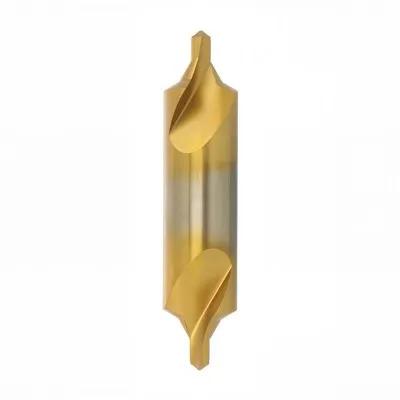
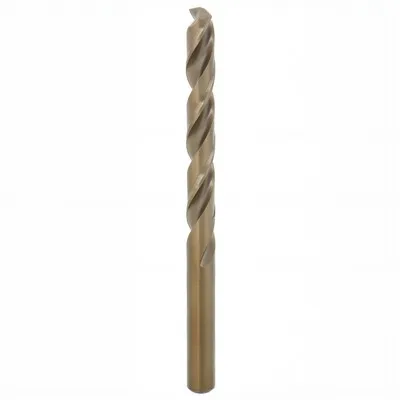
Before we delve into whether center drills can be used for plastics, let's first understand what center drills are. Center drills are specialized drill bits designed to create a conical indentation at the center of a workpiece. This indentation serves as a guide for subsequent drilling operations, ensuring that the drill bit enters the workpiece precisely at the desired location. They typically have a short, stubby design with a 60-degree point angle and a small diameter pilot drill at the tip.


Center drills are commonly made from high-speed steel (HSS), which offers excellent hardness and wear resistance. HSS Center Drills are widely used in metalworking applications, such as machining, turning, and milling. They are also used in woodworking and other materials, but their primary function remains the same: to create a starting point for accurate drilling.
Drilling in Plastics
Plastics are a diverse group of materials with a wide range of properties, including hardness, flexibility, and melting point. When drilling in plastics, it's important to consider these properties to ensure a successful drilling operation. Unlike metals, plastics are softer and more prone to melting, chipping, and cracking. Therefore, the choice of drill bit and drilling parameters is crucial.
Can Center Drills Be Used for Drilling in Plastics?
The short answer is yes, center drills can be used for drilling in plastics. However, there are some important considerations to keep in mind.
Advantages of Using Center Drills in Plastics
- Precision: Center drills are designed to create a precise starting point for drilling. This is particularly important when working with plastics, as it helps to prevent the drill bit from wandering and ensures accurate hole placement.
- Reduced Chipping: The conical shape of the center drill helps to reduce chipping at the entrance and exit of the hole. This is because the drill bit gradually penetrates the plastic, rather than cutting into it abruptly.
- Improved Chip Evacuation: Center drills have a small diameter pilot drill at the tip, which helps to break up the chips and improve chip evacuation. This is important when drilling in plastics, as chips can easily clog the drill bit and cause overheating.
Disadvantages of Using Center Drills in Plastics
- Melting: Plastics have a lower melting point than metals, and center drills can generate a significant amount of heat during drilling. This can cause the plastic to melt and stick to the drill bit, resulting in poor hole quality and increased wear on the drill bit.
- Limited Depth: Center drills are typically designed for shallow drilling applications. They may not be suitable for drilling deep holes in plastics, as the drill bit may become clogged with chips or overheat.
- Cost: Center drills are more expensive than standard drill bits. This may be a consideration for some users, especially those on a tight budget.
Tips for Using Center Drills in Plastics
If you decide to use center drills for drilling in plastics, here are some tips to help you achieve the best results:
- Choose the Right Drill Bit: Select a center drill that is specifically designed for use in plastics. Look for a drill bit with a sharp point and a high helix angle, which helps to improve chip evacuation.
- Use a Slow Speed: Plastics are prone to melting, so it's important to use a slow drilling speed to minimize heat generation. A speed of 500-1000 RPM is typically recommended for most plastics.
- Apply Lubrication: Lubrication can help to reduce friction and heat generation during drilling. You can use a water-based lubricant or a cutting oil to lubricate the drill bit and the workpiece.
- Use a Pilot Hole: If you're drilling a large hole, it's a good idea to start with a pilot hole using a smaller drill bit. This helps to guide the center drill and reduces the risk of chipping and cracking.
- Support the Workpiece: Make sure the workpiece is securely supported to prevent it from moving during drilling. This helps to ensure accurate hole placement and reduces the risk of damage to the workpiece.
Conclusion
In conclusion, center drills can be used for drilling in plastics, but they require careful consideration and proper technique. While they offer several advantages, such as precision and reduced chipping, they also have some limitations, such as melting and limited depth. By following the tips outlined in this article, you can use center drills effectively in plastics and achieve high-quality results.
If you're interested in purchasing center drills for your plastic drilling applications, I encourage you to contact us for more information. Our team of experts can help you choose the right drill bit for your specific needs and provide you with the support and guidance you need to ensure a successful drilling operation.
References
- "Drilling Plastics: A Guide to Successful Drilling." Plastics Technology, [Publication Date].
- "Center Drills: Their Design and Use." Machinery's Handbook, [Edition].
- "High-Speed Steel Center Drills: Properties and Applications." Metalworking Magazine, [Publication Date].