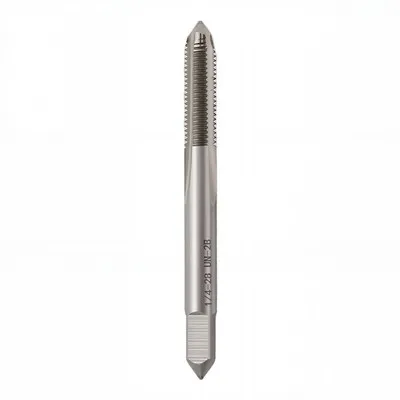
Drilling a hole in a marble countertop might seem like a daunting task, but with the right drill bit and some know - how, you can get the job done. As a drill bits supplier, I've seen firsthand how the right tool can make all the difference. In this blog, I'll walk you through the process of drilling a hole in a marble countertop using a drill bit.
Understanding Marble
Before we start drilling, it's important to understand what marble is. Marble is a metamorphic rock composed mostly of calcite or dolomite. It's a relatively soft stone compared to some others, but it's still quite hard and brittle. This means that it can crack or chip easily if not drilled properly.


Choosing the Right Drill Bit
The type of drill bit you choose is crucial for drilling a hole in marble. You need a bit that's designed to cut through hard materials without causing too much damage. Here are some options that I recommend:
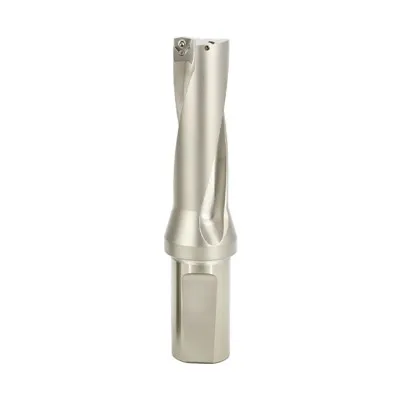
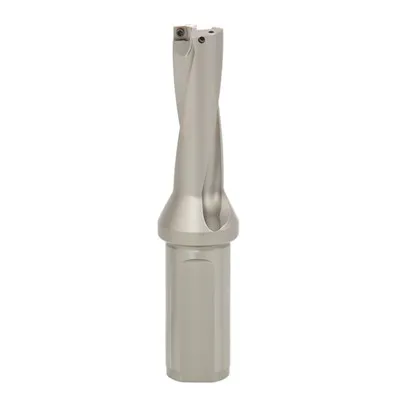
- SP - Type U - Drills: These drill bits are specifically designed for drilling through hard materials like marble. They have a unique U - shaped design that helps to reduce friction and prevent the bit from overheating. You can check them out SP - Type U - Drills.
- Morse Taper Shank Twist Drills: These are another great option for drilling marble. They have a tapered shank that fits into the drill chuck securely, providing a stable drilling experience. You can find them here Morse Taper Shank Twist Drills.
- HSS Twist Drill Set: High - Speed Steel (HSS) twist drill bits are also suitable for marble. They are durable and can cut through the stone effectively. Check out the HSS Twist Drill Set.
Gathering Your Tools
In addition to the drill bit, you'll need a few other tools to complete the job:
- A drill: Make sure your drill is powerful enough to handle the task. A corded drill is usually a better choice than a cordless one for drilling through hard materials like marble.
- Safety gear: This includes safety glasses to protect your eyes from flying debris, and gloves to protect your hands.
- Tape: You'll need some masking tape to mark the spot where you want to drill.
- Water: Marble can generate a lot of heat when drilled, so you'll need to keep the bit cool by using water. You can use a spray bottle to apply water to the drilling area.
Preparing the Countertop
- Mark the spot: Use masking tape to mark the exact spot where you want to drill the hole. This will help prevent the drill bit from slipping and causing damage to the countertop.
- Protect the surrounding area: Cover the area around the drilling spot with a drop cloth or some other protective material to catch any debris.
Drilling the Hole
- Start slow: Begin by setting your drill to a low speed. This will help you control the drill and prevent the bit from slipping. Place the drill bit on the marked spot and apply gentle pressure.
- Keep the bit cool: As you drill, use the spray bottle to apply water to the drilling area. This will help keep the bit cool and reduce the risk of cracking the marble.
- Drill in short bursts: Don't try to drill all the way through the marble in one go. Instead, drill in short bursts, and then stop to let the bit cool down and clear away any debris.
- Increase the speed gradually: Once you've made a small indentation in the marble, you can gradually increase the speed of the drill. But still, be careful not to apply too much pressure.
- Break through the backside: When you're almost through the marble, reduce the pressure on the drill to prevent the backside from chipping. You can also drill from the backside if possible to minimize the risk of chipping.
Finishing Up
- Clean the hole: Once you've drilled the hole, use a brush or a vacuum cleaner to clean out any debris from the hole.
- Smooth the edges: You can use a sandpaper or a file to smooth the edges of the hole if needed.
Tips and Tricks
- Use a center punch: Before you start drilling, use a center punch to make a small indentation in the marble. This will help the drill bit stay in place and prevent it from slipping.
- Don't force the drill: Let the drill bit do the work. If you apply too much pressure, you're more likely to crack the marble.
- Test on a scrap piece: If you're not confident in your drilling skills, it's a good idea to test on a scrap piece of marble first.
Why Choose Our Drill Bits
As a drill bits supplier, we offer high - quality drill bits that are designed to meet the needs of different customers. Our drill bits are made from the best materials and are manufactured to strict quality standards. Whether you're a professional contractor or a DIY enthusiast, we have the right drill bit for you.
If you're interested in purchasing our drill bits, or if you have any questions about drilling in marble or other materials, don't hesitate to reach out. We're here to help you find the perfect drill bit for your project and provide you with all the support you need. Contact us for a detailed consultation and let's start discussing your procurement needs.
References
- "Marble: A Metamorphic Rock: Geology, Uses, Properties" by Geology.com
- "Drilling Techniques for Hard Materials" from DIY Home Improvement Magazine