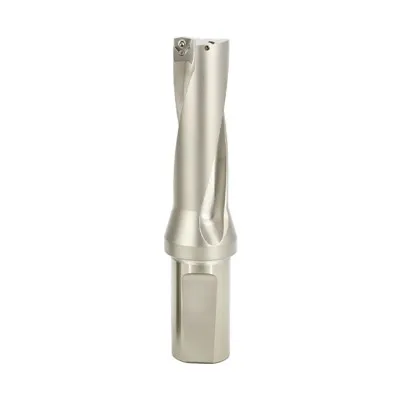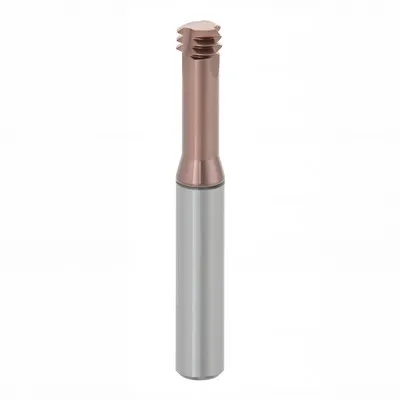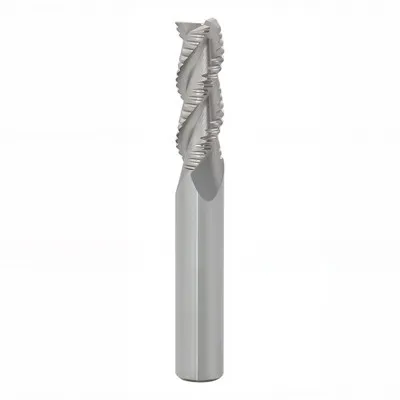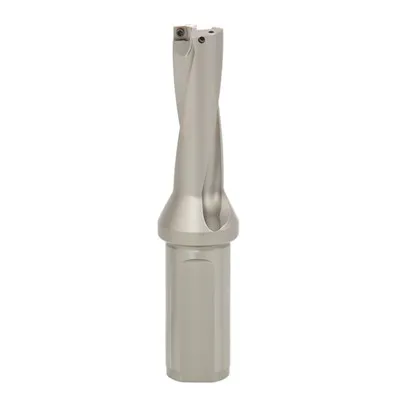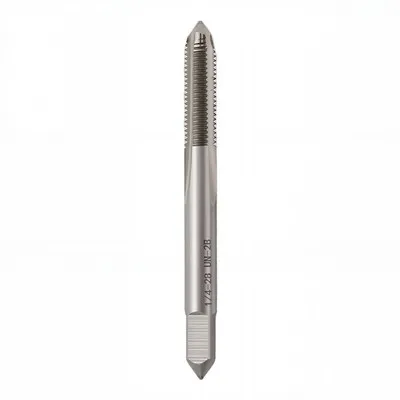
Improving the chip control of a thread milling cutter is crucial for achieving high - quality threading operations, enhancing tool life, and increasing overall machining efficiency. As a thread milling cutter supplier, I have witnessed firsthand the challenges that machinists face when dealing with chip management. In this blog, I will share some practical tips and strategies to help you improve the chip control of your thread milling cutters.
Understanding the Basics of Chip Formation in Thread Milling
Before delving into the ways to improve chip control, it is essential to understand how chips are formed during thread milling. Thread milling involves the use of a rotating cutter to cut threads into a workpiece. As the cutter engages with the material, it shears off small pieces of metal, which form chips. The shape, size, and flow of these chips can significantly affect the machining process.
The chips produced during thread milling can be classified into different types, such as continuous chips, segmented chips, and discontinuous chips. Continuous chips are long and unbroken, which can cause problems such as chip clogging and entanglement. Segmented chips are broken into small pieces, and discontinuous chips are even smaller and more fragmented. The ideal chip type for thread milling is usually the segmented or discontinuous chip, as they are easier to manage and less likely to cause issues.


Selecting the Right Thread Milling Cutter
One of the first steps in improving chip control is to select the right thread milling cutter for the job. Different cutters are designed for specific materials and applications, and choosing the wrong cutter can lead to poor chip formation and control.
- Number of Flutes: The number of flutes on a thread milling cutter can have a significant impact on chip control. A cutter with fewer flutes, such as a 3 - Flute Thread Milling Cutter, generally allows for larger chip spaces, which can help prevent chip clogging. On the other hand, a cutter with more flutes, like a Full - Flute Thread Milling Cutter, can provide a smoother finish but may be more prone to chip clogging in some materials.
- Cutter Geometry: The geometry of the thread milling cutter, including the rake angle, relief angle, and helix angle, also plays a crucial role in chip formation. A positive rake angle can help reduce cutting forces and promote better chip flow, while a proper relief angle can prevent the cutter from rubbing against the workpiece. The helix angle affects the direction and flow of the chips, and a higher helix angle can help evacuate chips more effectively.
- Coating: The coating on the thread milling cutter can improve its performance and chip control. Coatings such as TiN (Titanium Nitride), TiAlN (Titanium Aluminum Nitride), and DLC (Diamond - Like Carbon) can reduce friction, increase wear resistance, and improve chip flow.
Optimizing Cutting Parameters
Properly setting the cutting parameters is another key factor in improving chip control. The main cutting parameters in thread milling include cutting speed, feed rate, and depth of cut.
- Cutting Speed: The cutting speed is the speed at which the cutter rotates. A higher cutting speed can increase the temperature at the cutting edge, which can help break the chips into smaller pieces. However, if the cutting speed is too high, it can cause excessive tool wear and poor surface finish. The optimal cutting speed depends on the material being machined, the cutter material, and the coating.
- Feed Rate: The feed rate is the rate at which the cutter moves along the workpiece. A higher feed rate can increase the chip thickness, which can help break the chips more easily. However, if the feed rate is too high, it can cause the cutter to overload and lead to poor chip control. The feed rate should be adjusted based on the material, the cutter geometry, and the desired chip type.
- Depth of Cut: The depth of cut is the amount of material removed by the cutter in each pass. A smaller depth of cut can reduce the cutting forces and help prevent chip clogging. However, if the depth of cut is too small, it can increase the number of passes required, which can reduce the machining efficiency.
Using Coolant and Lubrication
Coolant and lubrication play an important role in chip control during thread milling. They can help reduce the temperature at the cutting edge, reduce friction, and flush away the chips.
- Coolant Type: There are different types of coolants available, such as water - based coolants, oil - based coolants, and synthetic coolants. Water - based coolants are the most commonly used type, as they are cost - effective and provide good cooling and chip flushing properties. Oil - based coolants can provide better lubrication but may be more expensive and require more maintenance. Synthetic coolants offer a combination of good cooling and lubrication properties.
- Coolant Delivery: The way the coolant is delivered to the cutting area is also important. Flood coolant delivery, where the coolant is sprayed directly onto the cutter and the workpiece, is the most common method. However, in some cases, through - tool coolant delivery, where the coolant is delivered through the center of the cutter, can provide better chip control, especially for deep - hole threading.
Chip Evacuation Techniques
In addition to the above methods, there are some specific chip evacuation techniques that can be used to improve chip control in thread milling.
- Peck Milling: Peck milling involves making multiple passes with the cutter, retracting the cutter after each pass to allow the chips to be cleared from the cutting area. This technique can be particularly useful for deep - hole threading, where chip clogging is more likely to occur.
- Reverse Milling: Reverse milling is a technique where the cutter rotates in the opposite direction to the normal milling direction. This can help break the chips into smaller pieces and improve chip evacuation. However, reverse milling may require higher cutting forces and can cause more tool wear in some cases.
Monitoring and Adjusting the Process
Finally, it is important to monitor the thread milling process and make adjustments as needed. Regularly inspect the chips to ensure that they are the right size and shape. If the chips are too long or continuous, it may indicate that the cutting parameters need to be adjusted. Also, check the surface finish of the threads and the tool wear. If the surface finish is poor or the tool is wearing too quickly, it may be necessary to change the cutter or adjust the cutting parameters.
As a thread milling cutter supplier, I am committed to helping you achieve the best results in your threading operations. If you have any questions or need further advice on improving chip control, or if you are interested in purchasing our high - quality thread milling cutters, please feel free to contact us for a procurement discussion.
References
- Boothroyd, G., & Knight, W. A. (2006). Fundamentals of machining and machine tools. CRC Press.
- Kalpakjian, S., & Schmid, S. R. (2013). Manufacturing engineering and technology. Pearson.
- Stephenson, D. A., & Agapiou, J. S. (2009). Metal cutting theory and practice. CRC Press.