Compatibility of a Milling Cutter Holder with Different Machine Tools
As a supplier of milling cutter holders, I understand the critical importance of ensuring that our products are compatible with a wide range of machine tools. The compatibility between a milling cutter holder and a machine tool is not only a technical matter but also has a significant impact on the efficiency, precision, and overall performance of the machining process.
Understanding the Basics of Compatibility
Compatibility in the context of milling cutter holders and machine tools refers to the ability of the holder to fit and function properly within a specific machine. This involves several key aspects, including the physical dimensions, the type of connection, and the performance characteristics of both the holder and the machine.
Physical dimensions are perhaps the most obvious factor. The milling cutter holder must have the correct diameter, length, and taper to fit into the spindle of the machine tool. For example, different machines may use different taper standards, such as the ISO, BT, or HSK tapers. A milling cutter holder designed for an ISO 40 taper will not fit into a machine with a BT 50 taper. Therefore, it is essential to carefully match the taper of the holder with the taper of the machine's spindle.
The type of connection is another crucial factor. Some milling cutter holders use a collet system, while others use a shrink-fit or hydraulic chuck. Each type of connection has its own advantages and disadvantages, and the choice depends on the specific requirements of the machining operation. For instance, collet chucks are relatively easy to use and can provide a good grip on the cutter, but they may not be as rigid as shrink-fit or hydraulic chucks. Shrink-fit chucks offer high precision and rigidity, but they require special equipment for installation and removal. Hydraulic chucks, on the other hand, provide a balanced and stable grip, making them suitable for high-speed machining.
Performance characteristics also play a significant role in compatibility. The milling cutter holder must be able to withstand the cutting forces and speeds generated by the machine tool. This includes factors such as the holder's maximum rotational speed, its ability to absorb vibrations, and its resistance to wear and tear. For example, a high-speed machining operation may require a milling cutter holder with a high maximum rotational speed and good vibration damping properties to ensure smooth and accurate cutting.
Compatibility with Different Types of Machine Tools
CNC Milling Machines
CNC (Computer Numerical Control) milling machines are widely used in the manufacturing industry for their precision and flexibility. When it comes to compatibility, CNC milling machines typically require milling cutter holders that can provide high precision and repeatability. Our 300R CNC Milling Arbor is specifically designed for CNC milling machines. It features a precision-ground taper and a high-quality collet system, which ensures accurate and stable clamping of the milling cutter. The arbor is also made of high-strength materials, which can withstand the high cutting forces and speeds commonly encountered in CNC machining.
VMC (Vertical Machining Center)
VMCs are another popular type of machine tool in the manufacturing industry. They are known for their vertical spindle orientation, which allows for efficient machining of workpieces from above. Compatibility with VMCs requires milling cutter holders that can provide good accessibility and stability. Our EMR Round Nose Milling Arbor is an excellent choice for VMCs. It has a round nose design, which allows for easy access to hard-to-reach areas of the workpiece. The arbor also has a high clamping force, which ensures that the milling cutter remains securely in place during the machining process.
HMC (Horizontal Machining Center)
HMCs have a horizontal spindle orientation, which provides a different set of advantages compared to VMCs. They are often used for machining large and heavy workpieces. Compatibility with HMCs requires milling cutter holders that can handle the high cutting forces and provide good stability. Our 400R Anti-Vibration Milling Arbor is designed specifically for HMCs. It features an anti-vibration design, which helps to reduce vibrations during the machining process. This not only improves the surface finish of the workpiece but also extends the life of the milling cutter and the machine tool.
Factors Affecting Compatibility
In addition to the physical dimensions, connection type, and performance characteristics, there are several other factors that can affect the compatibility of a milling cutter holder with a machine tool.
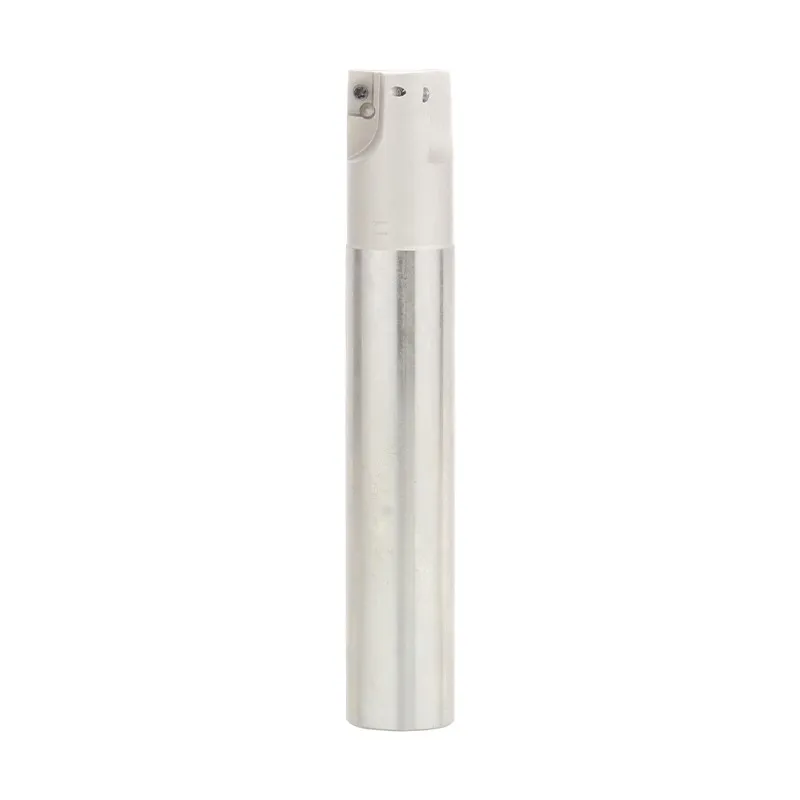
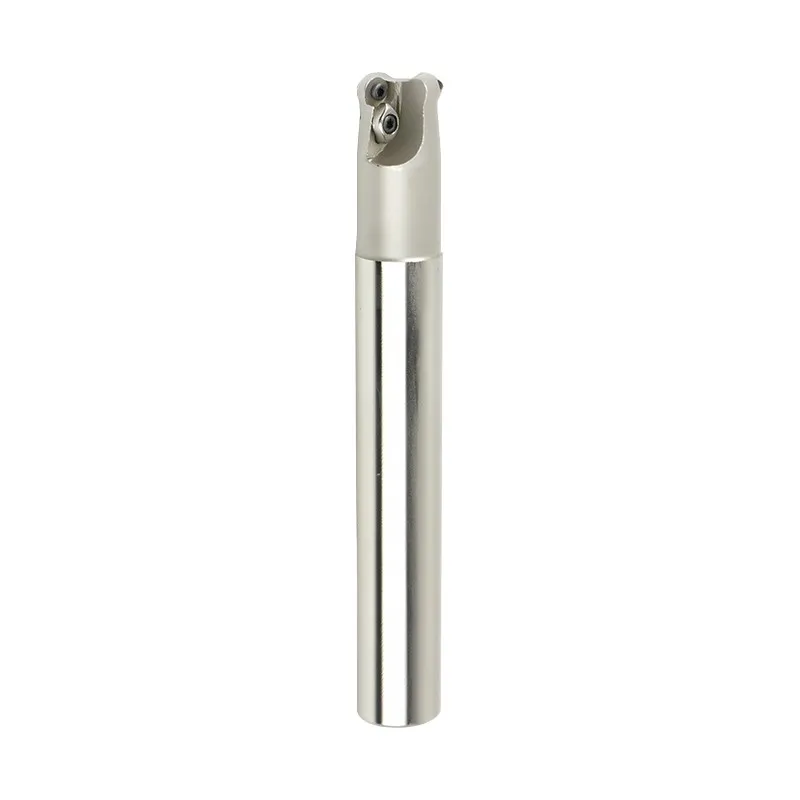
One such factor is the coolant system. Many modern machine tools are equipped with coolant systems to cool the cutting tool and remove chips from the machining area. The milling cutter holder must be compatible with the coolant system to ensure proper cooling and chip removal. Some holders are designed with built-in coolant channels, which allow for direct coolant delivery to the cutting edge of the tool.
Another factor is the tool change system. Some machine tools are equipped with automatic tool change systems, which require milling cutter holders that can be easily and quickly changed. The holder must be designed to fit the tool change mechanism of the machine and ensure reliable and accurate tool changes.
The material of the workpiece can also affect compatibility. Different materials require different cutting speeds, feeds, and cutting forces. The milling cutter holder must be able to withstand the specific cutting conditions required for the material being machined. For example, machining hard materials such as titanium or stainless steel may require a more rigid and durable milling cutter holder compared to machining softer materials such as aluminum.
Ensuring Compatibility
To ensure the compatibility of our milling cutter holders with different machine tools, we follow a rigorous quality control process. Our products are designed and manufactured to meet the highest industry standards. We use advanced manufacturing techniques and high-quality materials to ensure the precision and durability of our holders.
Before releasing a new product, we conduct extensive testing on a variety of machine tools to ensure its compatibility. We also provide detailed technical specifications and installation instructions for each of our products to help customers make the right choice and ensure proper installation and use.
In addition, we offer technical support to our customers. Our team of experts is available to answer any questions and provide guidance on the selection and use of our milling cutter holders. We understand that every customer's needs are unique, and we are committed to providing customized solutions to meet their specific requirements.
Conclusion
The compatibility of a milling cutter holder with different machine tools is a complex but crucial aspect of the machining process. By understanding the key factors that affect compatibility and ensuring that our products are designed and manufactured to meet the highest standards, we can provide our customers with high-quality milling cutter holders that are compatible with a wide range of machine tools.
If you are in the market for milling cutter holders and are looking for a reliable supplier, we invite you to contact us for more information. Our team of experts is ready to assist you in selecting the right product for your specific needs and to provide you with the support you need to ensure a successful machining operation.
References
- "Machining Technology: An Introduction" by Robert L. Norton
- "CNC Machining Handbook" by Peter Smid