As a supplier of milling inserts, I've seen firsthand how cutting fluid can make or break a machining operation. In this blog, I'll share my insights on the effects of cutting fluid on milling inserts, based on my years of experience in the industry.
Cooling and Lubrication
One of the primary functions of cutting fluid is to cool and lubricate the cutting process. When a milling insert is in contact with the workpiece, it generates a significant amount of heat due to friction. This heat can cause the insert to wear out quickly, leading to premature tool failure. Cutting fluid helps to dissipate this heat by carrying it away from the cutting zone, reducing the temperature of the insert and the workpiece.
In addition to cooling, cutting fluid also provides lubrication. Lubrication reduces friction between the insert and the workpiece, which in turn reduces the amount of heat generated during the cutting process. This not only extends the life of the insert but also improves the surface finish of the workpiece.
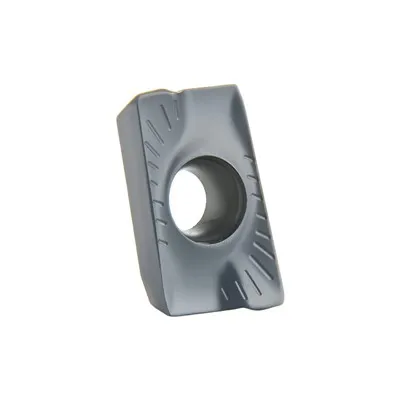
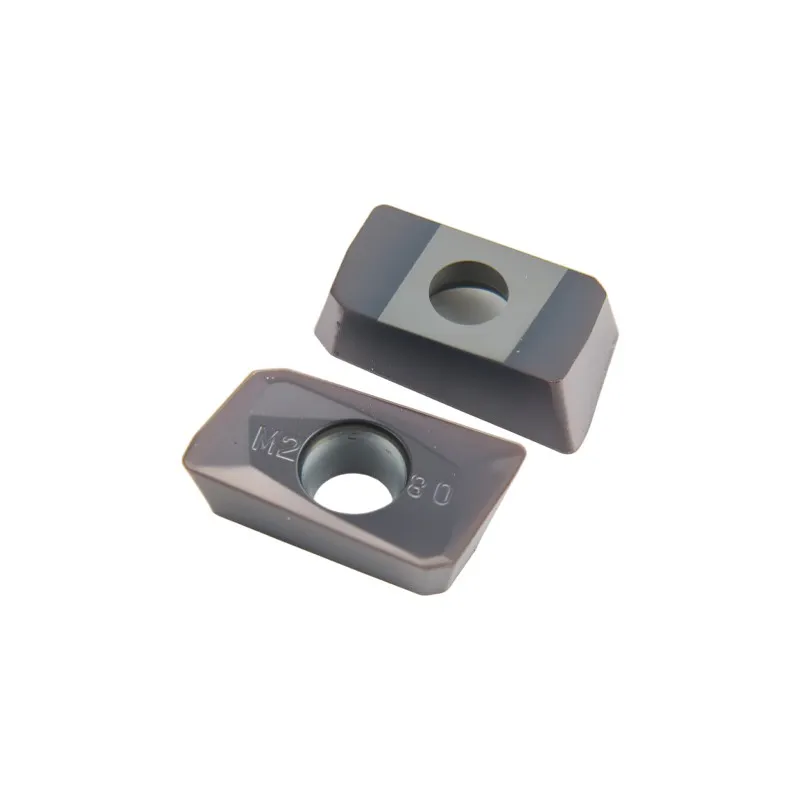
For example, when using APMT Inserts, the right cutting fluid can significantly enhance their performance. These inserts are designed for a variety of milling applications, and proper cooling and lubrication can ensure that they cut smoothly and efficiently, even in tough materials.
Chip Evacuation
Another important effect of cutting fluid is chip evacuation. During the milling process, chips are generated as the insert removes material from the workpiece. If these chips are not removed quickly and efficiently, they can accumulate around the cutting edge of the insert, causing it to overheat and wear out prematurely.
Cutting fluid helps to flush the chips away from the cutting zone, preventing them from interfering with the cutting process. This ensures that the insert can continue to cut effectively, without being hindered by the chips.
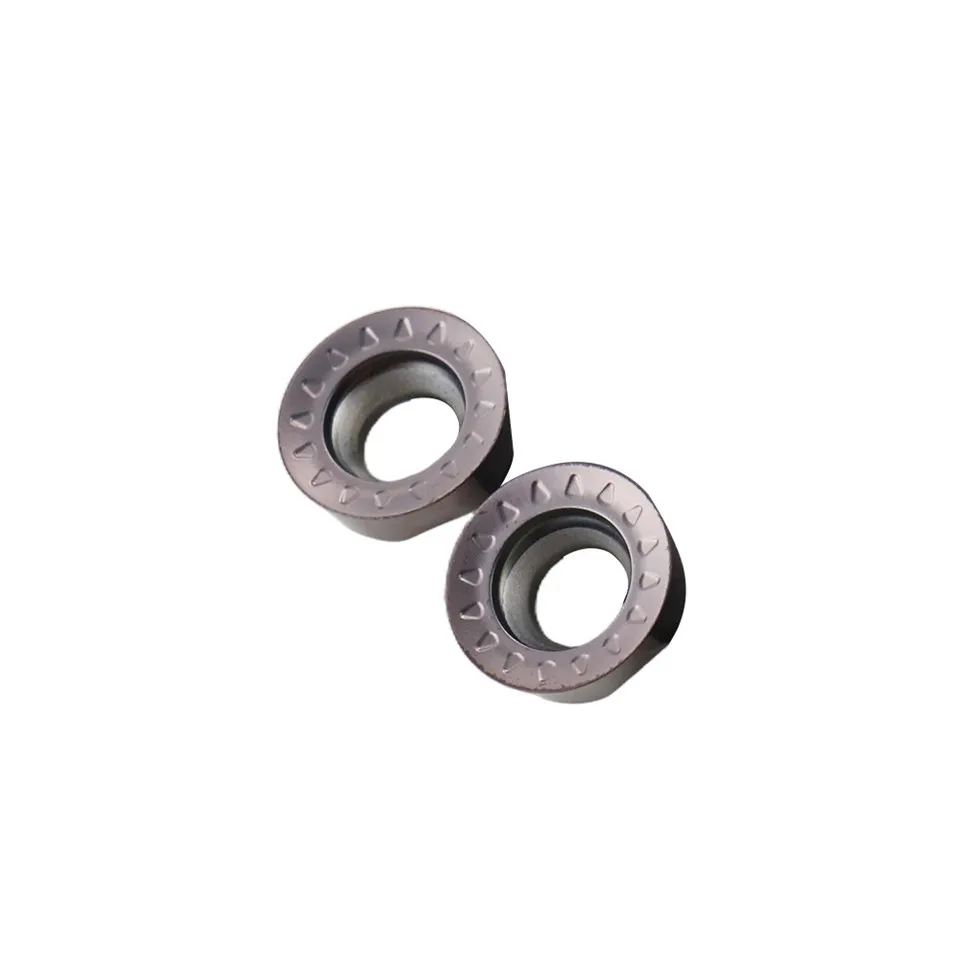
For instance, RP Series Inserts are known for their excellent chip control. When used with the appropriate cutting fluid, the chips are easily evacuated, allowing the inserts to maintain a high level of performance.
Corrosion Prevention
Cutting fluid also plays a crucial role in preventing corrosion. The metal components of the milling insert and the workpiece are susceptible to corrosion, especially when exposed to moisture and certain chemicals. Cutting fluid contains additives that form a protective film on the surface of the insert and the workpiece, preventing corrosion from occurring.
This is particularly important in long-term machining operations, where the insert and the workpiece are in contact with the cutting fluid for extended periods. By preventing corrosion, the cutting fluid helps to maintain the integrity of the insert and the workpiece, ensuring that they can continue to perform effectively.
Tool Life
The overall effect of cutting fluid on milling inserts is an improvement in tool life. By providing cooling, lubrication, chip evacuation, and corrosion prevention, cutting fluid reduces the wear and tear on the insert, allowing it to last longer. This not only saves money on tool replacement but also increases productivity by reducing downtime for tool changes.
However, it's important to note that the effectiveness of cutting fluid depends on several factors, including the type of cutting fluid, the machining conditions, and the type of insert. For example, some cutting fluids are better suited for high-speed machining, while others are more effective in heavy-duty applications.
Choosing the Right Cutting Fluid
As a milling insert supplier, I often get asked about how to choose the right cutting fluid. Here are some tips to help you make the right decision:
- Consider the Material: Different materials require different types of cutting fluid. For example, aluminum requires a cutting fluid that is specifically designed for non-ferrous metals, while steel may require a more general-purpose cutting fluid.
- Evaluate the Machining Conditions: The speed, feed rate, and depth of cut all affect the performance of the cutting fluid. In high-speed machining, a cutting fluid with good cooling properties is essential, while in heavy-duty applications, a cutting fluid with high lubricity may be more suitable.
- Check the Compatibility: Make sure that the cutting fluid is compatible with the milling insert and the workpiece. Some cutting fluids may react with certain materials, causing damage to the insert or the workpiece.
Conclusion
In conclusion, cutting fluid has a significant impact on the performance and life of milling inserts. By providing cooling, lubrication, chip evacuation, and corrosion prevention, cutting fluid helps to improve the efficiency and productivity of the machining process. As a milling insert supplier, I recommend that you choose the right cutting fluid for your specific application to ensure the best results.
If you're interested in learning more about our milling inserts or need help choosing the right cutting fluid, feel free to contact us for a consultation. We're here to help you optimize your machining operations and get the most out of your milling inserts.
References
- Boothroyd, G., & Knight, W. A. (2006). Fundamentals of machining and machine tools. CRC press.
- Kalpakjian, S., & Schmid, S. R. (2013). Manufacturing engineering and technology. Pearson.