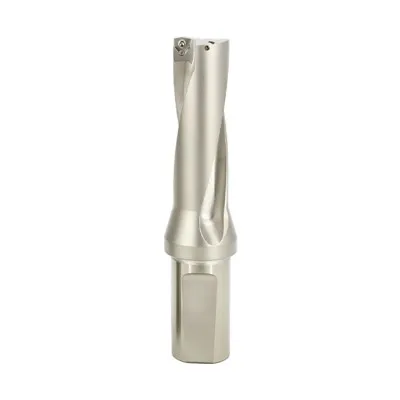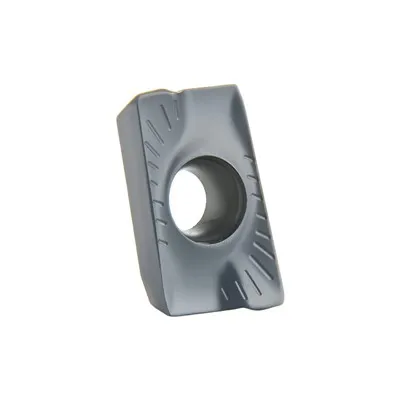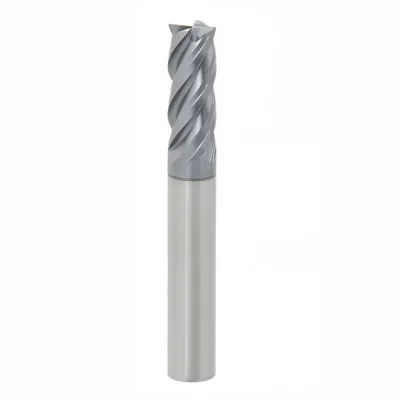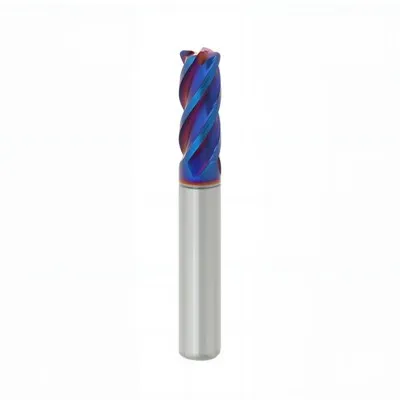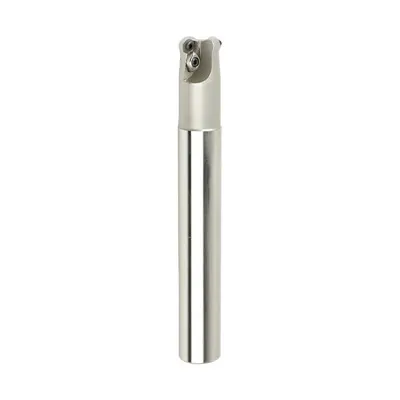
End mills are indispensable tools in the woodworking industry, playing a crucial role in achieving precision, efficiency, and high - quality results. As an end mills supplier, I have witnessed firsthand how these tools have transformed the woodworking process.
The Basics of End Mills in Woodworking
In woodworking, end mills are cutting tools used to remove material from a workpiece. They come in various shapes, sizes, and flute configurations, each designed for specific tasks. The flutes on an end mill are the spiral grooves that run along the length of the tool. These flutes help to evacuate chips from the cutting area, preventing clogging and ensuring a smooth cutting process.
Types of End Mills and Their Applications
Flat End Mills
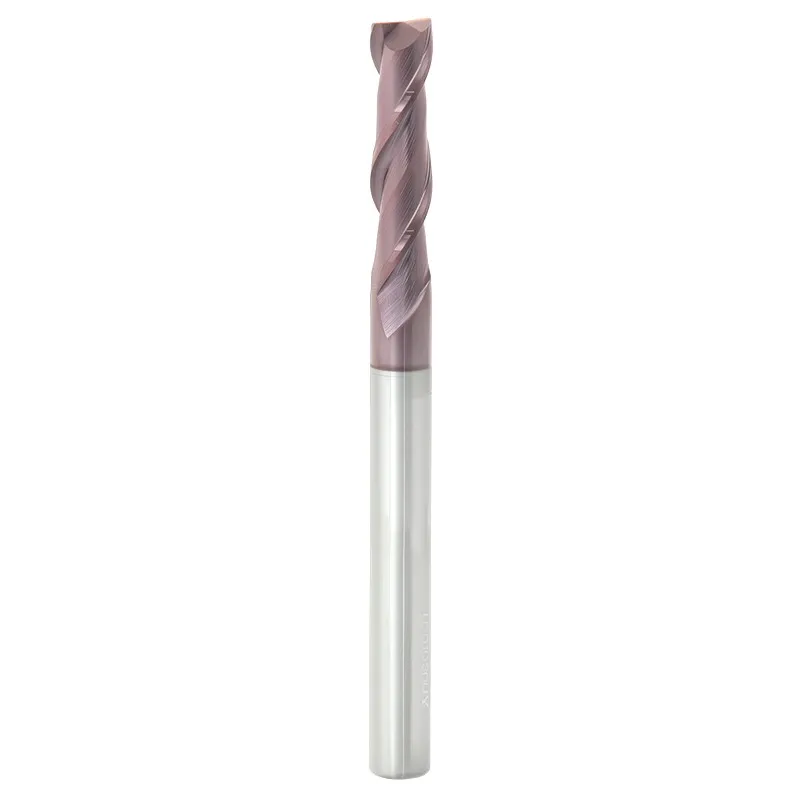
Flat end mills are among the most commonly used end mills in woodworking. They have a flat bottom and are used for a variety of tasks, such as face milling, slotting, and profiling. For instance, the 55 4 - Flute Flat End Mill is ideal for creating flat surfaces and precise slots. The four flutes provide a good balance between cutting speed and chip evacuation, allowing for efficient material removal.
On the other hand, the 55 2 - Flute Flat End Mill is often used when a rougher cut is required or when working with softer woods. The fewer number of flutes means there is more space for chips to escape, reducing the risk of clogging.
Ball Nose End Mills
Ball nose end mills have a rounded tip, which makes them suitable for creating curved surfaces and 3D shapes in wood. They are commonly used in wood carving and in the production of furniture with decorative elements. When working on intricate designs, a ball nose end mill can provide a smooth and precise finish.
Tapered End Mills
Tapered end mills have a tapered shape, which is useful for creating tapered slots or for chamfering edges. They can be used to add a decorative touch to woodwork or to create parts with specific geometric requirements.
Advantages of Using End Mills in Woodworking
Precision
One of the main advantages of using end mills in woodworking is the high level of precision they offer. End mills can cut with extremely fine tolerances, allowing woodworkers to create parts with accurate dimensions. This is particularly important in industries such as cabinetry and furniture making, where precise fitting of components is essential.
Efficiency
End mills are designed to remove material quickly and efficiently. The spiral flutes on the end mill help to break up the chips and evacuate them from the cutting area, reducing the amount of time spent on each cut. This not only increases productivity but also reduces the wear and tear on the tool.
Versatility
End mills can be used for a wide range of woodworking tasks, from simple cutting and shaping to complex 3D carving. Woodworkers can choose from different types of end mills to suit their specific needs, whether they are working on a small DIY project or a large - scale industrial production.
Factors to Consider When Choosing End Mills for Woodworking
Material
The type of wood being worked on is an important factor to consider when choosing an end mill. Hardwoods, such as oak and maple, require a more durable end mill with a sharp cutting edge. Softwoods, on the other hand, can be cut with a less aggressive end mill.

Cutting Speed and Feed Rate
The cutting speed and feed rate are crucial for achieving optimal results. The cutting speed refers to the speed at which the end mill rotates, while the feed rate is the speed at which the workpiece is moved through the cutting tool. These parameters need to be adjusted based on the type of wood, the end mill, and the specific cutting operation.
Flute Configuration
As mentioned earlier, the number of flutes on an end mill affects its performance. More flutes generally result in a smoother finish but may require a slower feed rate. Fewer flutes are better for roughing cuts and for working with softer materials.
Specialized End Mills for Woodworking
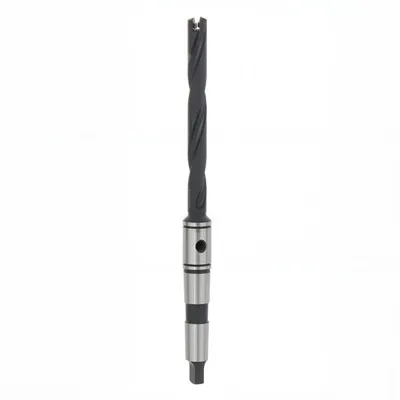
In addition to the standard end mills, there are also specialized end mills available for specific woodworking tasks. For example, the Small Hole Grooving Tool is designed for creating grooves in small holes. This tool is particularly useful in the production of musical instruments and other precision woodworking projects.
Maintenance of End Mills
Proper maintenance of end mills is essential to ensure their longevity and performance. After each use, the end mill should be cleaned to remove any chips and debris. It is also important to sharpen the end mill regularly to maintain a sharp cutting edge. Dull end mills can cause rough cuts, increase the risk of tool breakage, and reduce the quality of the finished product.
The Future of End Mills in Woodworking
With the advancement of technology, end mills are becoming more sophisticated. New materials and coatings are being developed to improve the performance and durability of end mills. For example, carbide end mills are becoming increasingly popular due to their high hardness and wear resistance.
In addition, the integration of computer - numerical - control (CNC) technology in woodworking has made it possible to use end mills with greater precision and efficiency. CNC machines can control the movement of the end mill with extreme accuracy, allowing for the production of complex and intricate woodwork.
Conclusion
End mills are an essential part of the woodworking industry. They offer precision, efficiency, and versatility, making them indispensable for woodworkers of all levels. Whether you are a hobbyist working on a small project or a professional in a large - scale woodworking business, choosing the right end mill is crucial for achieving high - quality results.
If you are interested in purchasing end mills for your woodworking needs, we are here to help. We offer a wide range of end mills, including the ones mentioned in this article, to meet your specific requirements. Contact us to discuss your needs and start a procurement negotiation.
References
- "Woodworking Handbook" by John Smith
- "Advanced End Mill Technology" by David Johnson
- "CNC Woodworking: Principles and Practices" by Sarah Brown