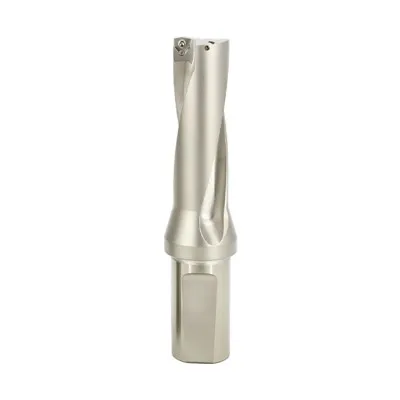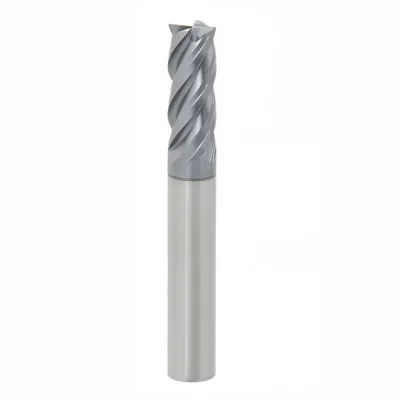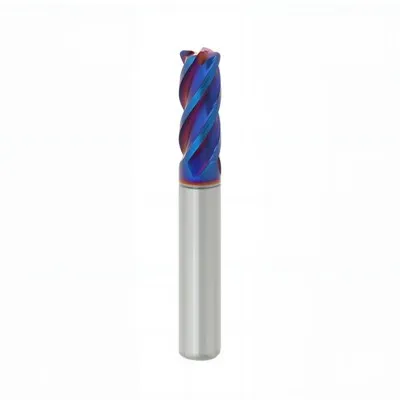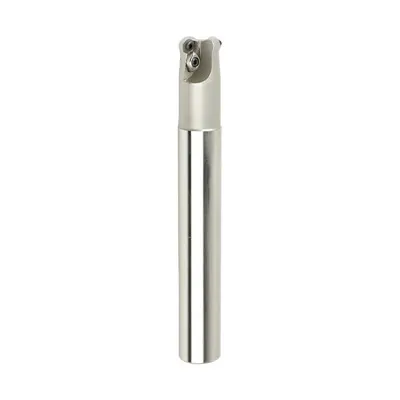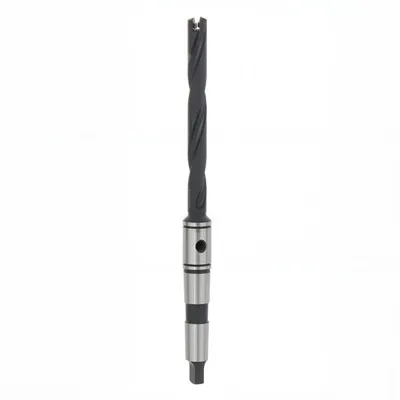
The helix angle of a round nose end mill is a critical parameter that significantly influences its performance in machining operations. As a supplier of round nose end mills, I am well - versed in the importance of this angle and its impact on various aspects of the milling process.
Understanding the Helix Angle
The helix angle of a round nose end mill refers to the angle formed by the cutting edge of the end mill and a line parallel to the axis of the tool. It is typically measured in degrees. This angle plays a crucial role in determining how the end mill interacts with the workpiece during the cutting process.
There are two main types of helix angles commonly used in round nose end mills: high helix and low helix. High helix angles, usually ranging from 40 to 60 degrees, are designed to provide better chip evacuation. When the end mill cuts into the material, chips are formed. With a high helix angle, these chips are more easily pushed out of the cutting area. This is particularly beneficial when machining materials that produce long, stringy chips, such as aluminum. The efficient chip evacuation helps prevent chip clogging, which can lead to poor surface finish, increased tool wear, and even tool breakage.
On the other hand, low helix angles, typically between 20 and 30 degrees, offer greater strength and stability. They are better suited for machining harder materials like steel. The lower helix angle allows the cutting edge to engage with the material more gradually, reducing the impact force on the tool. This results in less vibration during the cutting process, which is essential for achieving high - precision machining and maintaining the integrity of the end mill.
Impact on Cutting Performance
The helix angle has a direct impact on the cutting forces and the surface finish of the machined part. When using a high - helix end mill, the cutting forces are generally lower because the chips are removed more efficiently. This means less power is required from the machine, which can lead to energy savings and reduced wear on the machine components. Additionally, the smooth chip evacuation provided by a high helix angle often results in a better surface finish on the workpiece.
Conversely, a low - helix end mill generates higher cutting forces due to the more gradual engagement with the material. However, this can be an advantage when machining hard materials, as it allows for more aggressive cutting. The stability provided by the low helix angle also helps in maintaining the accuracy of the cut, especially when making deep cuts or when high precision is required.
Considerations for Different Materials
When selecting a round nose end mill, the material to be machined is a key factor in determining the appropriate helix angle.
Aluminum
Aluminum is a soft and ductile material that produces long, continuous chips. For aluminum machining, a high - helix round nose end mill is the preferred choice. The high helix angle ensures efficient chip evacuation, preventing the chips from getting stuck in the flutes and causing damage to the tool or the workpiece. A 4 - flute round nose end mill with a high helix angle can be particularly effective in aluminum machining. You can find a suitable 4 - Flute Round Nose End Mill on our website.
Steel
Steel is a much harder material than aluminum. When machining steel, a low - helix round nose end mill is more appropriate. The lower helix angle provides the necessary strength and stability to withstand the high cutting forces generated when cutting through steel. It also helps in reducing vibration, which is crucial for achieving a good surface finish and maintaining the tool's lifespan.
Titanium
Titanium is a challenging material to machine due to its high strength, low thermal conductivity, and tendency to work - harden. A medium - helix angle round nose end mill is often a good choice for titanium machining. The medium helix angle balances the need for chip evacuation and tool strength. It allows for effective chip removal while providing enough stability to handle the high cutting forces associated with titanium.
Helix Angle and Tool Life
The helix angle also has a significant impact on the tool life of a round nose end mill. A well - chosen helix angle can reduce tool wear and extend the life of the end mill.
In high - helix end mills, the efficient chip evacuation reduces the amount of heat generated during the cutting process. Heat is one of the main factors that contribute to tool wear. By keeping the cutting area cool, the high helix angle helps in preserving the integrity of the cutting edge, thereby increasing the tool's lifespan.
Low - helix end mills, with their greater strength and stability, are less prone to chipping and breakage. This is especially important when machining hard materials, where the cutting forces are high. The ability to withstand these forces without damage allows the low - helix end mill to last longer.
Customization and Application - Specific Needs
As a supplier of round nose end mills, we understand that different customers have different application - specific needs. That's why we offer customization options for helix angles. Whether you need a high - helix end mill for aluminum machining or a low - helix end mill for steel cutting, we can provide a solution tailored to your requirements.
Our team of experts can work with you to determine the most suitable helix angle based on the material you are machining, the type of operation you are performing, and the desired surface finish. We also take into account other factors such as the spindle speed, feed rate, and depth of cut to ensure optimal performance of the end mill.
Conclusion
In conclusion, the helix angle of a round nose end mill is a vital parameter that affects its cutting performance, surface finish, tool life, and suitability for different materials. As a supplier, we are committed to providing high - quality round nose end mills with the right helix angle for your specific needs.
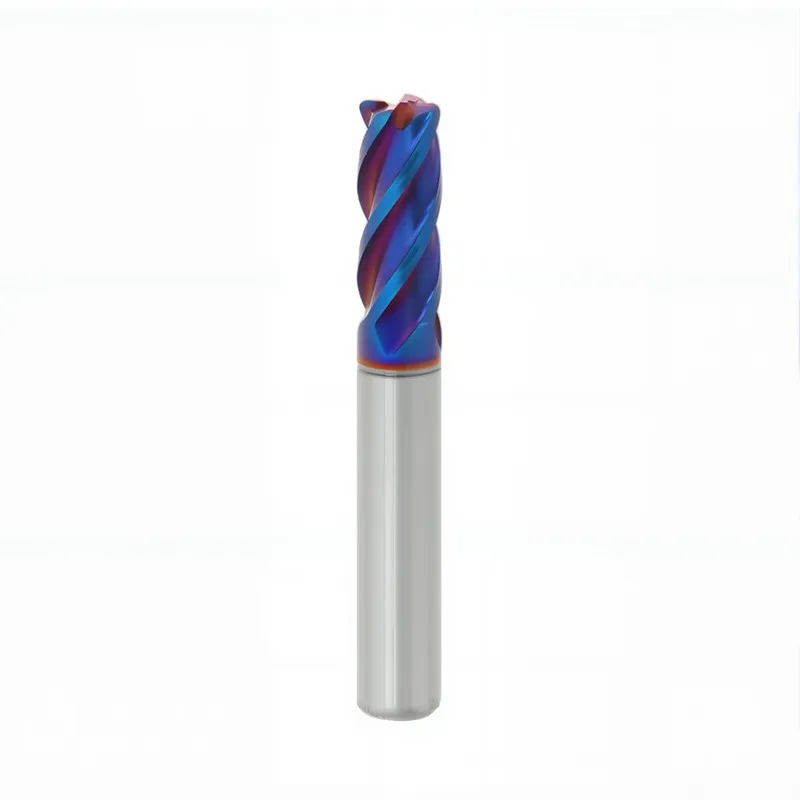
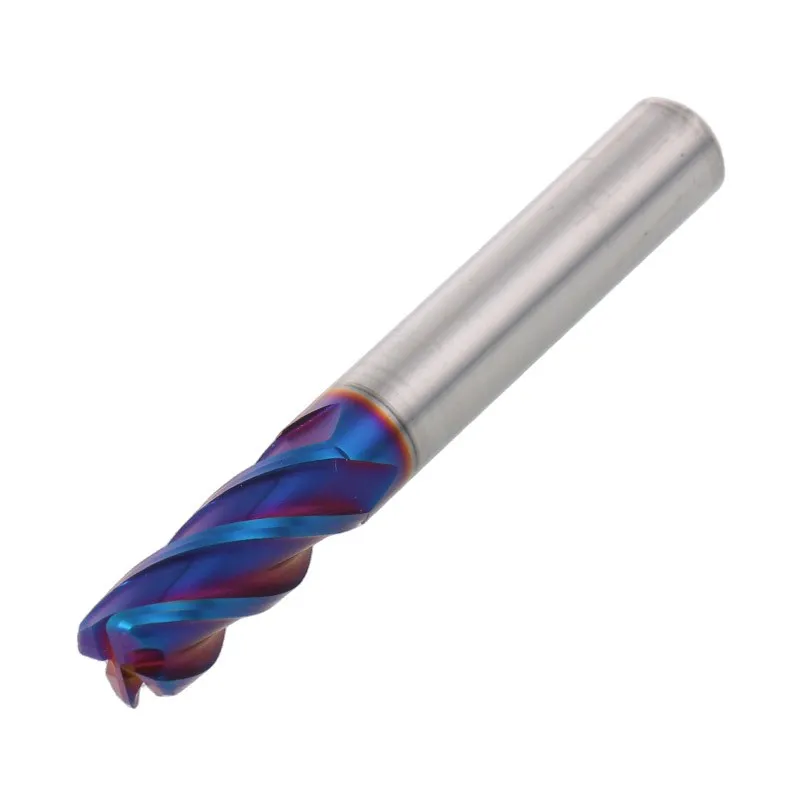
If you are in the market for round nose end mills and want to discuss your requirements in detail, we invite you to contact us for a procurement discussion. Our knowledgeable staff will be happy to assist you in selecting the best end mill for your machining operations.
References
- Boothroyd, G., & Knight, W. A. (2006). Fundamentals of Machining and Machine Tools. CRC Press.
- Trent, E. M., & Wright, P. K. (2000). Metal Cutting. Butterworth - Heinemann.