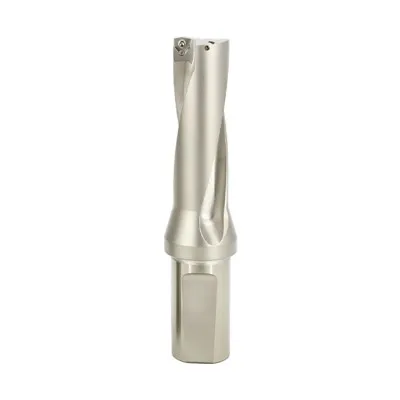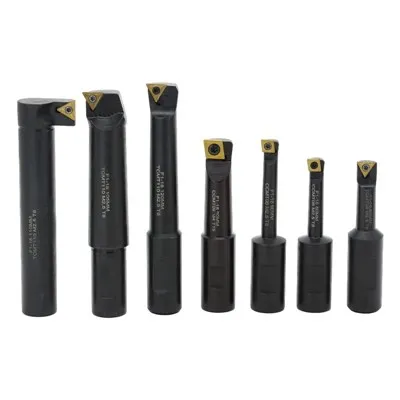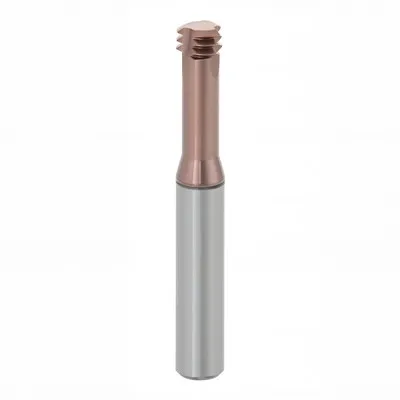
Hey there! As a supplier of grooving and parting tools, I often get asked about the difference between grooving and parting operations. It's a great question, and I'm here to break it down for you in a way that's easy to understand.
Let's start with the basics. Grooving and parting are both machining operations used in the manufacturing industry, but they serve different purposes. Grooving is the process of cutting a narrow, straight groove into a workpiece. This can be done for a variety of reasons, such as creating a space for an O-ring, providing a location for a snap ring, or improving the aesthetics of the part. On the other hand, parting is the process of cutting a workpiece completely through to separate it into two or more pieces. This is commonly used to create individual parts from a larger piece of stock.
One of the key differences between grooving and parting is the tool used. Grooving tools are designed to create a narrow groove in the workpiece, while parting tools are designed to cut through the workpiece completely. Grooving tools typically have a narrow cutting edge and are used to create grooves of various widths and depths. Parting tools, on the other hand, have a wider cutting edge and are used to cut through the workpiece in a single pass.
Another difference between grooving and parting is the cutting process. Grooving is typically done using a single-point cutting tool, which is fed into the workpiece at a specific depth and width. The tool is then moved along the workpiece to create the groove. Parting, on the other hand, is typically done using a parting blade, which is fed into the workpiece until it cuts through completely. The blade is then retracted, and the separated part is removed from the machine.
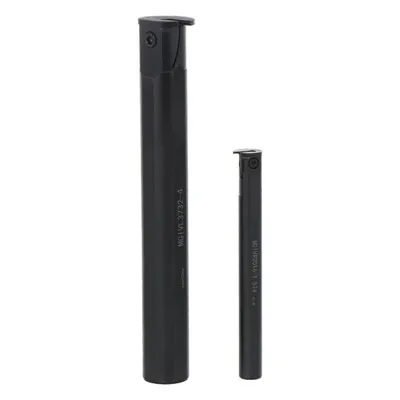
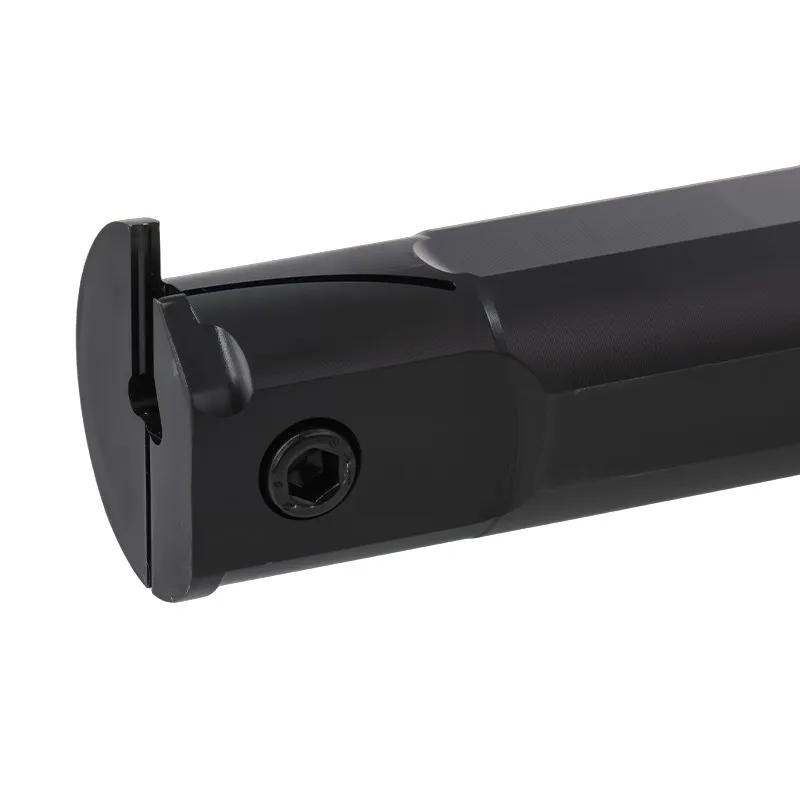
Now, let's talk about the tools we offer as a grooving and parting tool supplier. We have a wide range of grooving and parting tools to meet the needs of our customers. One of our popular products is the MGIVR L Grooving and Cut-off Tool. This tool is designed for both grooving and parting operations and is suitable for a variety of materials, including steel, stainless steel, and aluminum. It features a unique design that allows for easy chip evacuation, which helps to improve the cutting performance and reduce the risk of tool breakage.
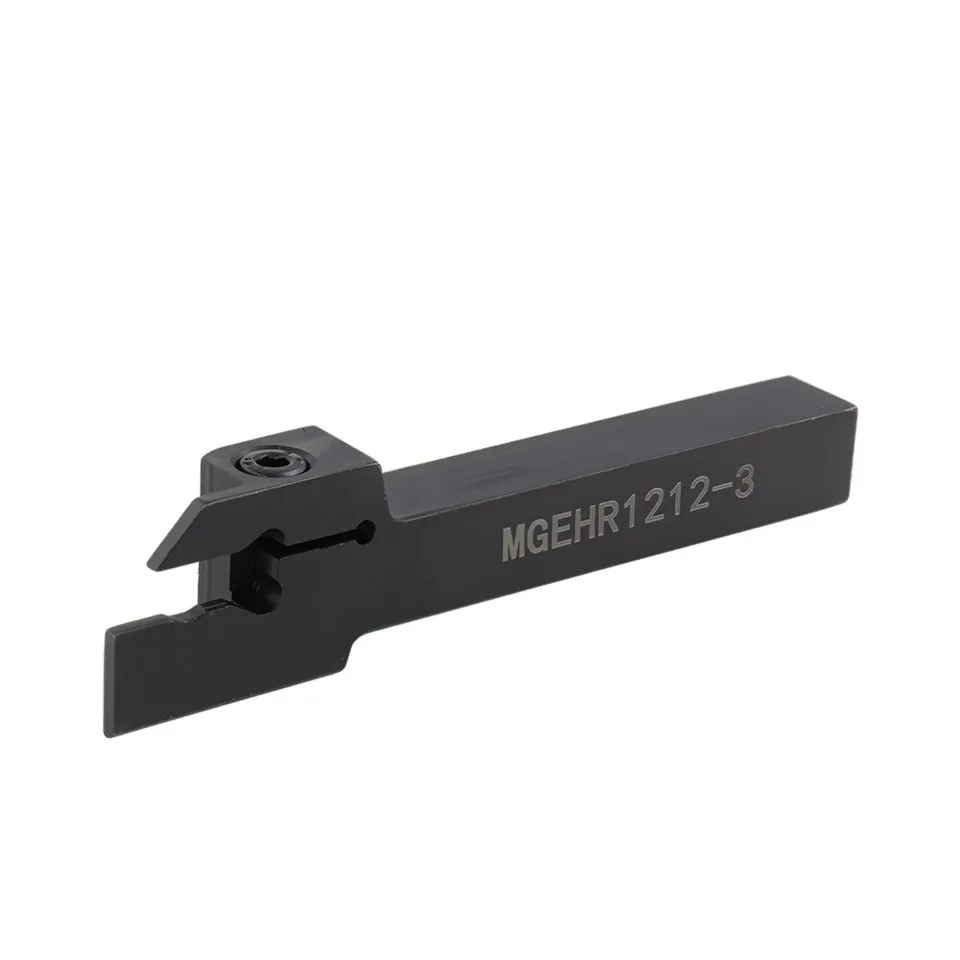
Another product we offer is the MGEHR Grooving and Cut-off Tool. This tool is also designed for both grooving and parting operations and is suitable for a wide range of materials. It features a high-precision cutting edge that provides excellent surface finish and dimensional accuracy. The tool is also easy to install and use, making it a popular choice among our customers.
When it comes to choosing the right tool for your grooving and parting operations, there are several factors to consider. These include the material you are working with, the size and shape of the workpiece, and the required precision and surface finish. It's important to choose a tool that is specifically designed for the material and application you are working with to ensure the best results.
In addition to choosing the right tool, it's also important to use the right cutting parameters. This includes the cutting speed, feed rate, and depth of cut. These parameters can have a significant impact on the cutting performance and tool life. It's important to follow the manufacturer's recommendations for these parameters to ensure the best results.
Finally, I want to encourage you to contact us if you have any questions or need help choosing the right grooving and parting tools for your application. We have a team of experts who are available to provide you with technical support and advice. We also offer a wide range of training and education programs to help you improve your machining skills and knowledge.
In conclusion, grooving and parting are two important machining operations that serve different purposes. Grooving is used to create a narrow groove in the workpiece, while parting is used to cut the workpiece completely through. The tools used for these operations are also different, with grooving tools designed to create a narrow groove and parting tools designed to cut through the workpiece. As a grooving and parting tool supplier, we offer a wide range of tools to meet the needs of our customers. If you have any questions or need help choosing the right tool for your application, please don't hesitate to contact us.
References:
- Machinery's Handbook, 31st Edition
- Cutting Tool Engineering Magazine
- Modern Machine Shop Magazine