The tool life of an F1 boring bar is a critical aspect that significantly impacts machining efficiency, productivity, and overall cost - effectiveness in manufacturing operations. As a supplier of F1 boring bars, understanding and communicating the factors that influence tool life is essential for our customers.
Understanding Tool Life
Tool life can be defined as the duration during which a cutting tool maintains its cutting ability within acceptable limits of performance. For an F1 boring bar, this means the time it can operate while producing holes of the required size, surface finish, and geometric accuracy. Several factors contribute to the tool life of an F1 boring bar, including the material being machined, cutting parameters, tool geometry, and the quality of the cutting edge.
Material Being Machined
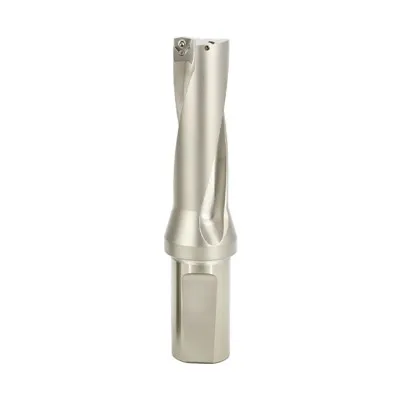
The type of material being bored is one of the most significant factors affecting tool life. Different materials have varying hardness, toughness, and machinability. For example, machining a soft aluminum alloy is much less demanding on the boring bar compared to machining a high - strength steel or a heat - resistant superalloy. When working with hard materials, the cutting edge of the F1 boring bar experiences higher stresses and abrasion, which can lead to faster wear. Our Indexable Boring Bar is designed to handle a wide range of materials, with different insert grades available to optimize performance based on the specific material being machined.
Cutting Parameters
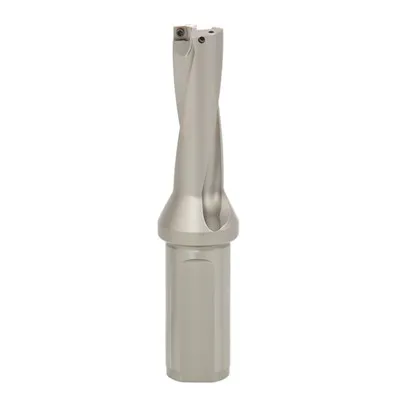
Cutting parameters such as cutting speed, feed rate, and depth of cut play a crucial role in determining tool life. Higher cutting speeds generally increase the rate of tool wear, as the cutting edge is subjected to more heat and mechanical stress. Similarly, a high feed rate can cause excessive forces on the tool, leading to chipping or breakage. On the other hand, a very low cutting speed or feed rate may result in inefficient machining and longer cycle times. Our technical team can assist customers in selecting the appropriate cutting parameters for their specific application to maximize tool life. For instance, when using our Brazed Boring Bar, we recommend starting with conservative cutting parameters and gradually adjusting them based on the observed tool performance.


Tool Geometry
The geometry of the F1 boring bar, including the shape of the cutting edge, rake angle, and clearance angle, also affects tool life. An optimized tool geometry can reduce cutting forces, improve chip evacuation, and enhance the overall cutting performance. Our boring bars are engineered with advanced geometries to ensure efficient cutting and longer tool life. For example, a positive rake angle can reduce cutting forces, while a proper clearance angle prevents the tool from rubbing against the workpiece, which can cause premature wear.
Cutting Edge Quality
The quality of the cutting edge is another critical factor. A sharp and well - finished cutting edge can provide better cutting performance and longer tool life. We use high - quality materials and advanced manufacturing processes to ensure the cutting edges of our F1 boring bars are of the highest quality. Additionally, we offer coatings on our boring bars, such as titanium nitride (TiN) or titanium aluminum nitride (TiAlN), which can improve wear resistance and reduce friction, further extending tool life.
Measuring Tool Life
There are several methods to measure the tool life of an F1 boring bar. One common approach is to measure the number of workpieces machined before the tool needs to be replaced. Another method is to monitor the cutting forces or the surface finish of the machined holes. As the tool wears, the cutting forces may increase, and the surface finish may deteriorate. By setting up a monitoring system, manufacturers can detect the signs of tool wear early and replace the tool at the optimal time.
Extending Tool Life
To extend the tool life of an F1 boring bar, several strategies can be employed. Firstly, proper tool selection is crucial. Choosing the right type of boring bar, insert grade, and geometry for the specific application can significantly improve tool life. Secondly, maintaining the cutting parameters within the recommended range is essential. Regularly checking and adjusting the cutting speed, feed rate, and depth of cut can prevent excessive tool wear. Additionally, proper coolant usage can help reduce heat and friction during the cutting process, which can also extend tool life.
Case Studies
Let's take a look at some real - world examples of how our F1 boring bars have performed in different applications. In a automotive manufacturing plant, they were using our indexable boring bars to machine engine blocks. By optimizing the cutting parameters and using the appropriate insert grade for the aluminum alloy, they were able to increase the tool life by 30% compared to their previous boring bars. In another case, a aerospace manufacturer was using our brazed boring bars to machine titanium components. Through careful selection of the tool geometry and the use of a high - performance coating, they achieved a significant reduction in tool wear and an improvement in the surface finish of the machined parts.
Conclusion
The tool life of an F1 boring bar is a complex topic influenced by multiple factors. As a supplier, we are committed to providing high - quality boring bars and technical support to our customers. By understanding the factors that affect tool life and implementing the appropriate strategies, manufacturers can optimize their machining processes, reduce costs, and improve productivity.
If you are interested in learning more about our F1 boring bars or have specific machining requirements, we invite you to contact us for a detailed discussion. Our team of experts is ready to assist you in selecting the right boring bar for your application and providing guidance on how to maximize tool life.
References
- Kalpakjian, S., & Schmid, S. R. (2014). Manufacturing Engineering and Technology. Pearson.
- Trent, E. M., & Wright, P. K. (2000). Metal Cutting. Butterworth - Heinemann.