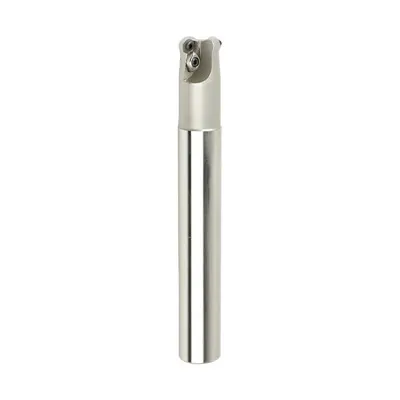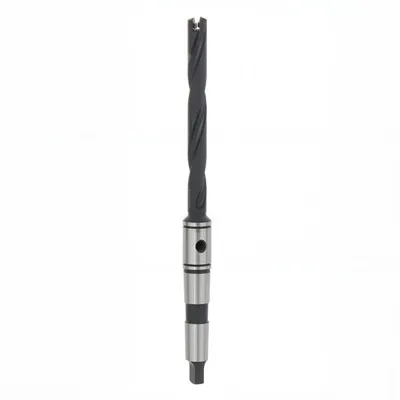
Center drills play a crucial role in various machining operations, serving as a starting point for accurate drilling. As a center drills supplier, I often receive inquiries about the compatibility of center drills with different types of drill chucks. In this blog post, I will delve into this topic, exploring the factors that determine compatibility and providing insights to help you make informed decisions.
Understanding Center Drills and Drill Chucks
Before discussing compatibility, it's essential to understand the basic functions of center drills and drill chucks. Center drills are specialized drill bits designed to create a conical indentation at the center of a workpiece. This indentation serves as a guide for subsequent drilling operations, ensuring accurate alignment and preventing the drill bit from wandering.
Drill chucks, on the other hand, are devices used to hold drill bits securely in place. They come in various types, including keyed chucks, keyless chucks, and collet chucks, each with its own unique features and advantages.
Factors Affecting Compatibility
Several factors can affect the compatibility of center drills with drill chucks. These include:
1. Shank Size
The shank of a center drill is the part that fits into the drill chuck. It's crucial to ensure that the shank size of the center drill matches the chuck's capacity. Most drill chucks have a specific range of shank sizes they can accommodate. For example, a common keyed chuck may have a capacity of 1/16" to 1/2", while a collet chuck may offer more precise sizing options.
When selecting a center drill, make sure to check the shank diameter and compare it with the chuck's specifications. Using a center drill with a shank that is too large or too small for the chuck can result in a loose fit, which can lead to inaccurate drilling and potential safety hazards.
2. Chuck Type
Different types of drill chucks have different mechanisms for holding drill bits. Keyed chucks use a key to tighten the jaws around the shank, providing a secure grip. Keyless chucks, on the other hand, can be tightened by hand, offering convenience but may not provide as strong a grip as keyed chucks. Collet chucks are known for their high precision and are often used in applications where accuracy is critical.
The type of chuck you use can affect the compatibility of center drills. For example, some center drills may be better suited for keyed chucks, while others may work well with keyless or collet chucks. It's important to consider the chuck type when selecting center drills to ensure optimal performance.
3. Workpiece Material
The material of the workpiece being drilled can also impact the compatibility of center drills and drill chucks. Different materials require different cutting speeds and feeds, and using the wrong combination can lead to poor drilling performance or even damage to the drill bit and chuck.
For example, drilling through hard materials such as stainless steel or titanium may require a more powerful drill and a chuck that can provide a strong grip. In contrast, drilling through softer materials such as wood or plastic may not require as much force, and a less powerful drill and chuck may be sufficient.
Compatibility with Different Types of Drill Chucks
Let's take a closer look at how center drills are compatible with different types of drill chucks:
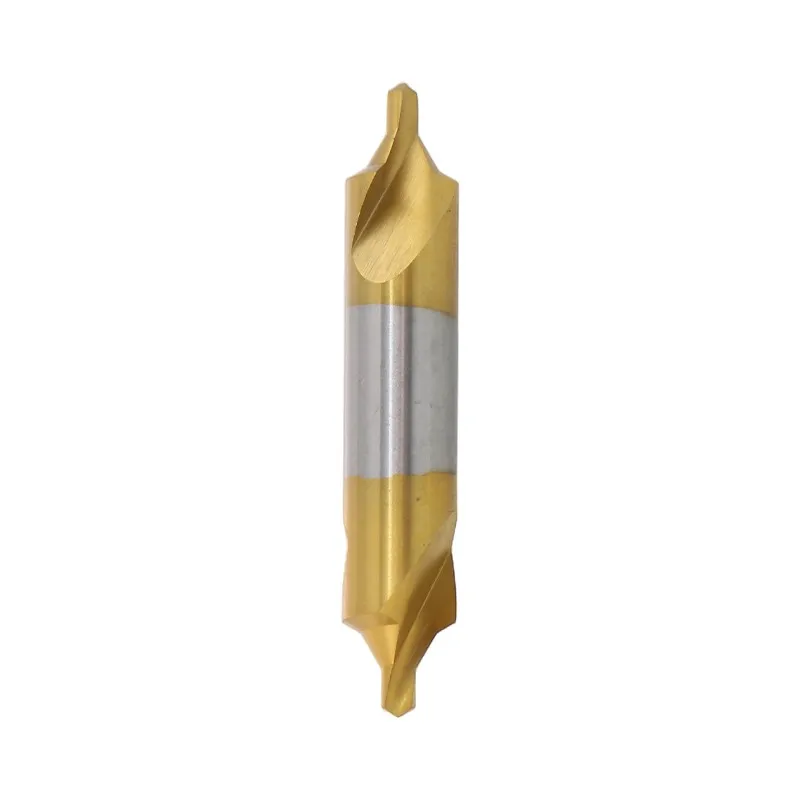
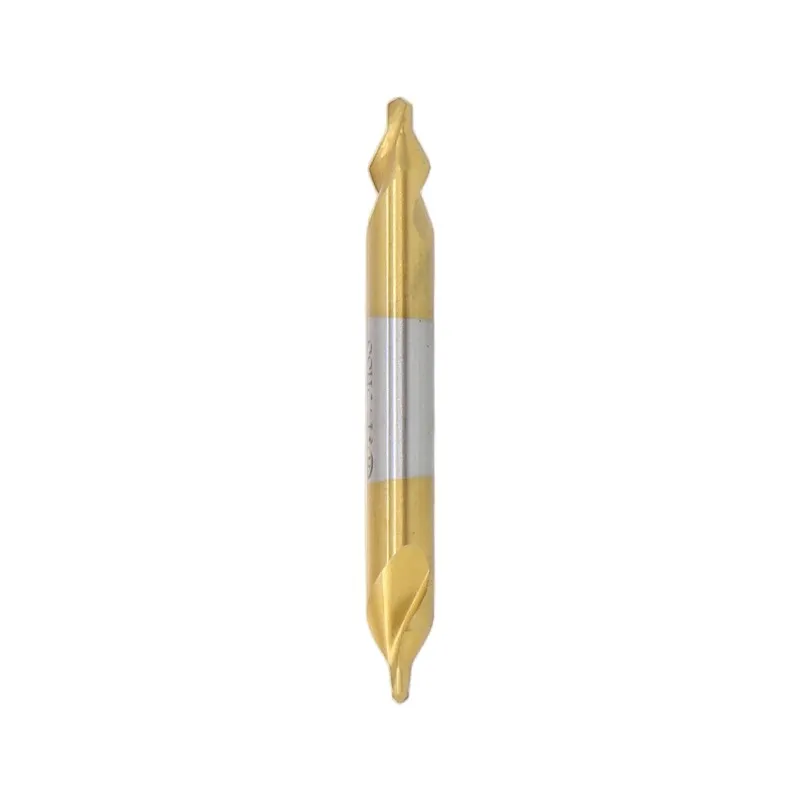
1. Keyed Chucks
Keyed chucks are one of the most common types of drill chucks. They offer a secure grip and are suitable for a wide range of drill bits, including center drills. When using a keyed chuck with a center drill, make sure to tighten the jaws firmly using the key to prevent the drill bit from slipping during operation.
Keyed chucks are available in various sizes, so it's important to choose a chuck that can accommodate the shank size of the center drill. Most keyed chucks have a capacity of 1/16" to 1/2", which should cover the majority of center drill shank sizes.
2. Keyless Chucks
Keyless chucks are popular for their convenience, as they can be tightened by hand without the need for a key. While they offer a quick and easy way to change drill bits, they may not provide as strong a grip as keyed chucks.
When using a keyless chuck with a center drill, make sure to tighten the chuck firmly to ensure a secure fit. Some keyless chucks may have a limited range of shank sizes they can accommodate, so it's important to check the chuck's specifications before using it with a center drill.
3. Collet Chucks
Collet chucks are known for their high precision and are often used in applications where accuracy is critical. They use a collet to grip the drill bit, providing a more precise and secure hold compared to other types of chucks.
Collet chucks are available in various sizes and can accommodate a wide range of drill bit shank sizes. When using a collet chuck with a center drill, make sure to choose the appropriate collet size to ensure a proper fit.
Selecting the Right Center Drill and Drill Chuck
To ensure compatibility between center drills and drill chucks, it's important to consider the following factors:
1. Shank Size
As mentioned earlier, the shank size of the center drill must match the chuck's capacity. Make sure to check the shank diameter of the center drill and compare it with the chuck's specifications before making a purchase.
2. Chuck Type
Consider the type of chuck you will be using and choose a center drill that is compatible with it. For example, if you are using a keyed chuck, make sure the center drill has a shank size that can be securely held by the chuck.
3. Workpiece Material
Take into account the material of the workpiece being drilled and choose a center drill and drill chuck that are suitable for the application. For example, if you are drilling through hard materials, you may need a more powerful drill and a chuck that can provide a strong grip.
4. Quality
Invest in high-quality center drills and drill chucks to ensure optimal performance and durability. Look for products that are made from high-quality materials and have been tested for accuracy and reliability.
Conclusion
In conclusion, center drills are generally compatible with a wide range of drill chucks, but it's important to consider the factors discussed above to ensure a proper fit and optimal performance. By selecting the right center drill and drill chuck for your application, you can achieve accurate and efficient drilling results.
If you are in the market for high-quality center drills, I invite you to explore our selection of HSS Center Drills. Our center drills are made from high-speed steel and are designed to provide excellent performance and durability.
If you have any questions or need further assistance, please feel free to contact us. We are here to help you find the right center drills for your needs and ensure a successful machining operation.
References
- Machinery's Handbook, 31st Edition
- Drill Bit Selection Guide, Various Manufacturers
- Machining Technology, Textbooks and Online Resources