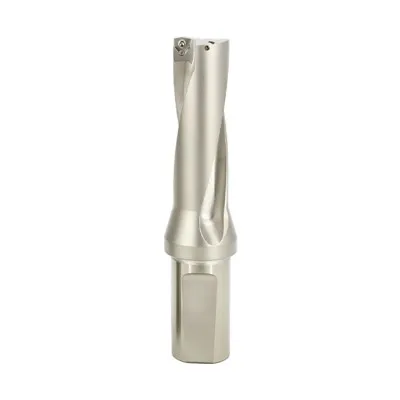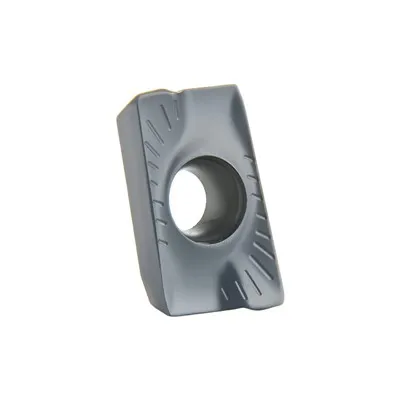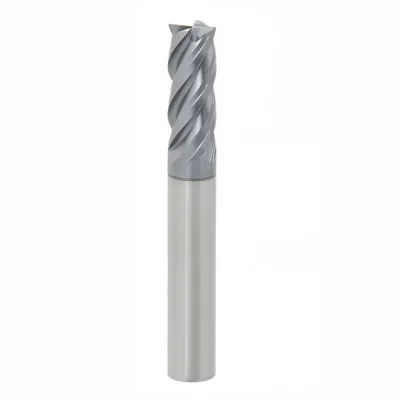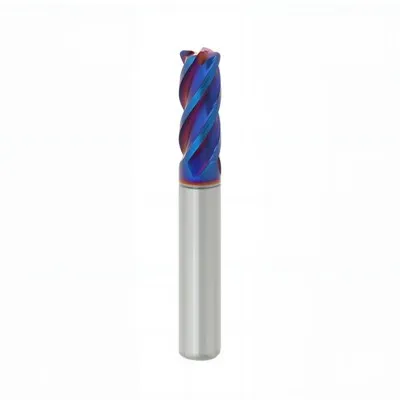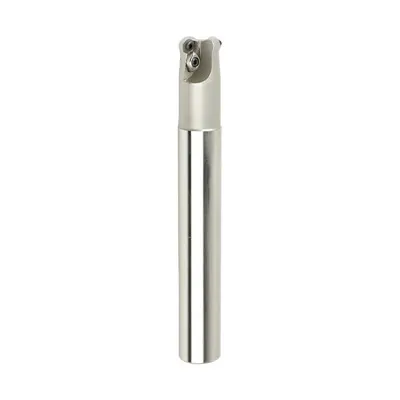
Hey there! As a supplier of flat end mills, I often get asked, "What is the price of a flat end mill?" Well, it's not a one-size-fits-all answer. There are several factors that can influence the cost of these handy tools, and I'm here to break it down for you.
First off, let's talk about the basics. A flat end mill is a type of cutting tool used in machining operations. It has a flat end, which makes it ideal for creating flat surfaces, slots, and pockets in various materials like metal, wood, and plastic. The price of a flat end mill can vary widely depending on a few key factors.

Material
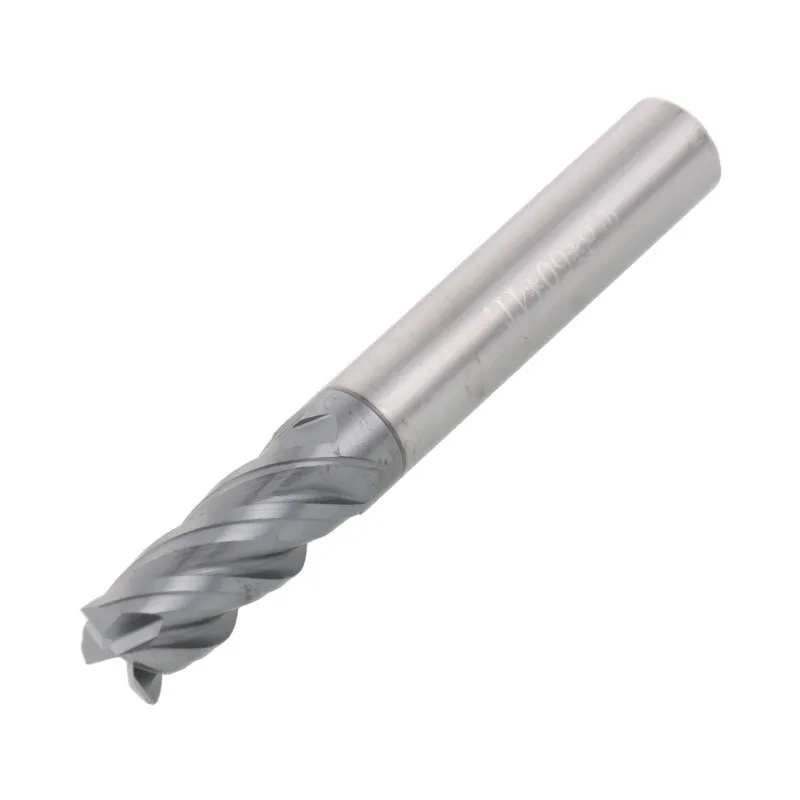
The material of the flat end mill is a major determinant of its price. High-speed steel (HSS) is a common and relatively affordable option. HSS flat end mills are great for general-purpose machining and can handle a variety of materials. They're durable and can hold an edge well, but they may not be the best choice for high-speed or heavy-duty applications.
On the other hand, carbide flat end mills are more expensive but offer superior performance. Carbide is a harder and more wear-resistant material, which means these end mills can cut through tough materials like stainless steel and titanium with ease. They also have a longer tool life, which can save you money in the long run.
Number of Flutes
The number of flutes on a flat end mill also affects its price. Flutes are the grooves on the cutting edge of the end mill that help to remove chips from the workpiece. Generally, end mills with more flutes can cut faster and produce a smoother finish. However, they also tend to be more expensive.
For example, a 55 2-Flute Flat End Mill is a good choice for roughing operations or when you need to remove a large amount of material quickly. It has fewer flutes, which means it can handle larger chips and generate less heat. On the other hand, a 55 4-Flute Flat End Mill is better for finishing operations or when you need a more precise cut. It has more flutes, which allows for a smoother surface finish and better chip evacuation.
Coating
Another factor that can affect the price of a flat end mill is the coating. Coatings can improve the performance and durability of the end mill by reducing friction, increasing wear resistance, and improving chip flow. Some common coatings include titanium nitride (TiN), titanium carbonitride (TiCN), and aluminum titanium nitride (AlTiN).
End mills with a coating are generally more expensive than uncoated ones, but they can offer significant benefits. For example, a TiN-coated end mill can increase tool life by up to 50% and improve cutting speeds. An AlTiN-coated end mill is even more wear-resistant and can handle high-speed machining applications.
Size and Length
The size and length of the flat end mill also play a role in its price. Larger and longer end mills are generally more expensive because they require more material and are more difficult to manufacture. Additionally, the diameter of the end mill can affect its cutting performance. A larger diameter end mill can remove more material in a single pass, but it may also require more power and produce more vibration.
Brand and Quality
Finally, the brand and quality of the flat end mill can have a significant impact on its price. Well-known brands with a reputation for quality and reliability tend to charge more for their products. However, they also offer better customer support, warranties, and technical assistance.
When choosing a flat end mill, it's important to consider your specific needs and budget. If you're working on a small project or have a limited budget, a basic HSS flat end mill may be sufficient. However, if you're working on a large-scale project or need to cut through tough materials, a carbide flat end mill with a high-quality coating may be worth the investment.
Examples of Prices
To give you a better idea of the price range for flat end mills, here are some examples:
- A basic 1/4-inch HSS 2-flute flat end mill may cost around $5 to $10.
- A 1/4-inch carbide 2-flute flat end mill with a TiN coating may cost around $20 to $30.
- A 1/2-inch carbide 4-flute flat end mill with an AlTiN coating may cost around $50 to $100.
Keep in mind that these prices are just estimates and can vary depending on the brand, quality, and supplier.
Conclusion
In conclusion, the price of a flat end mill can vary widely depending on several factors, including the material, number of flutes, coating, size, length, brand, and quality. When choosing a flat end mill, it's important to consider your specific needs and budget. If you're not sure which end mill is right for you, don't hesitate to reach out to us. We're here to help you find the best tool for your project.
Whether you're a hobbyist or a professional machinist, having the right flat end mill can make a big difference in the quality and efficiency of your work. So, if you're in the market for a flat end mill, give us a call or send us an email. We'd love to discuss your needs and help you find the perfect tool at the right price.
References
- Machining Handbook, various editions
- Tooling Catalogs from leading manufacturers