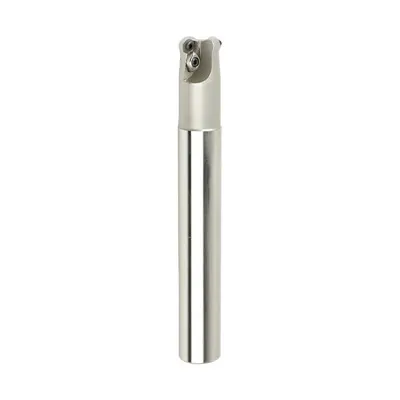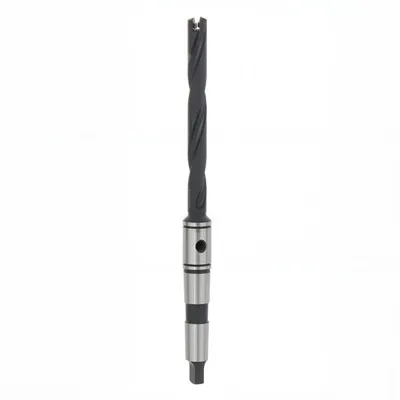
Hey there, fellow machining enthusiasts! As an end mills supplier, I've seen my fair share of challenges in the world of end mill machining. One of the most common headaches that machinists face is tool deflection. It can mess up your precision, reduce the quality of your work, and even lead to premature tool wear. So, in this blog, I'm gonna share some tips on how you can minimize tool deflection in end mill machining.
Understanding Tool Deflection
Before we dive into the solutions, let's quickly understand what tool deflection is. Simply put, tool deflection is the bending or flexing of the end mill during the machining process. It happens when the cutting forces acting on the tool are greater than its stiffness. This can be caused by a variety of factors, such as the material being machined, the cutting parameters, and the tool geometry.
Factors Affecting Tool Deflection
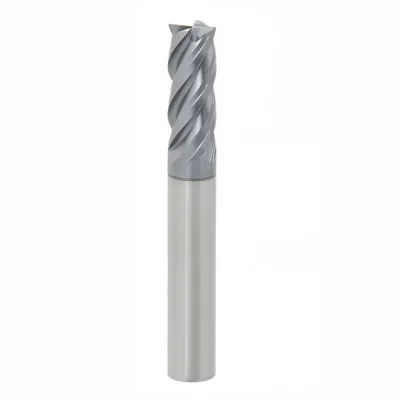
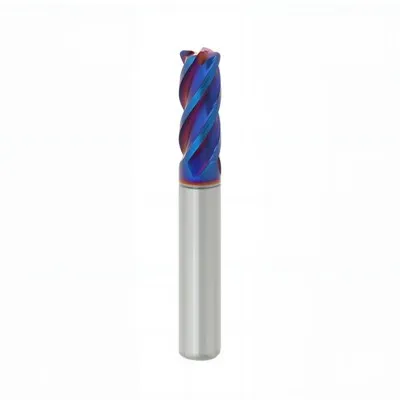
- Tool Geometry: The shape and size of the end mill play a crucial role in determining its stiffness. For example, a shorter and thicker end mill is generally stiffer than a longer and thinner one. Also, the number of flutes on the end mill can affect its cutting performance and stiffness. A higher number of flutes can increase the cutting efficiency but may also reduce the stiffness of the tool.
- Cutting Parameters: The cutting speed, feed rate, and depth of cut are all important factors that can affect tool deflection. If the cutting speed is too high or the feed rate is too fast, the cutting forces will increase, leading to more tool deflection. Similarly, if the depth of cut is too large, the tool will have to remove more material at once, which can also cause deflection.
- Material Being Machined: Different materials have different properties, such as hardness, toughness, and ductility. These properties can affect the cutting forces and the amount of tool deflection. For example, machining a hard material like stainless steel will require more cutting force than machining a softer material like aluminum, which can lead to more tool deflection.
Tips to Minimize Tool Deflection
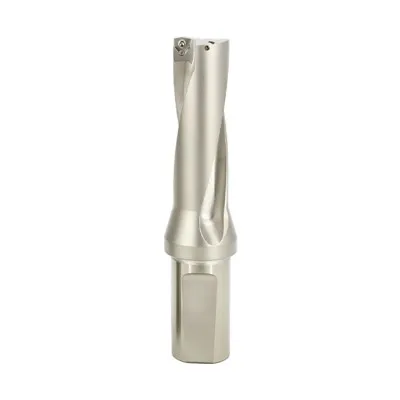
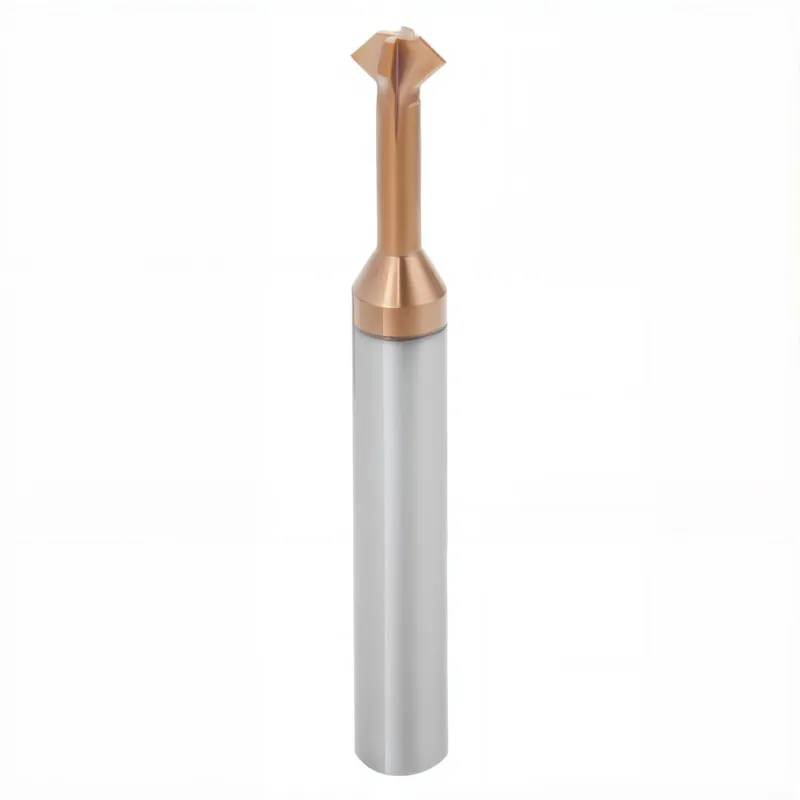
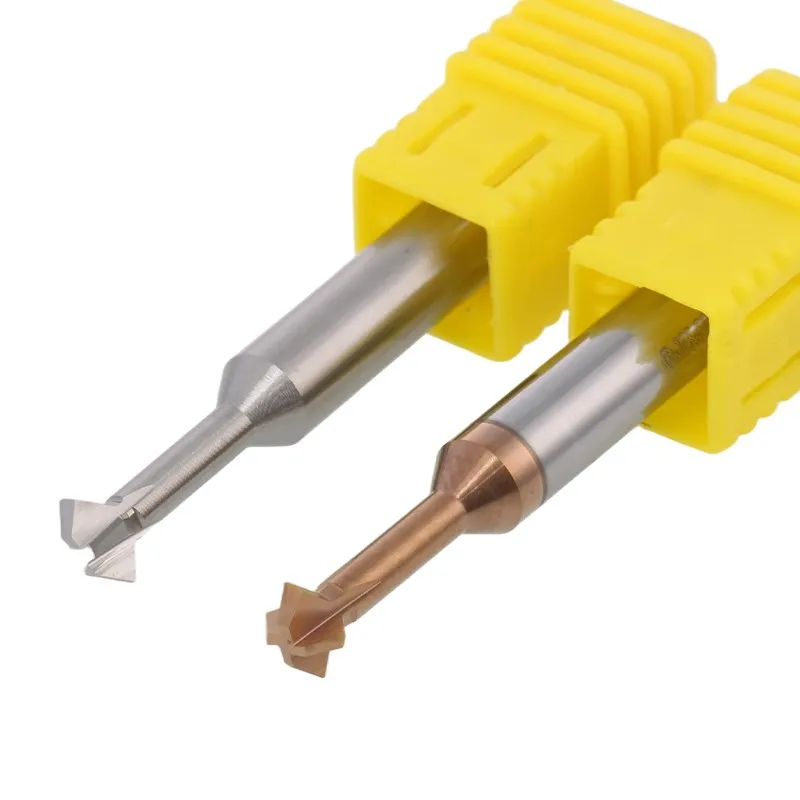
- Choose the Right Tool: As I mentioned earlier, the tool geometry plays a crucial role in minimizing tool deflection. So, make sure you choose the right end mill for the job. Consider the material being machined, the cutting parameters, and the desired finish. For example, if you're machining a hard material, you may want to choose a shorter and thicker end mill with a fewer number of flutes. On the other hand, if you're machining a softer material, you can choose a longer and thinner end mill with a higher number of flutes. You can check out our Chamfering End Mill for some great options.
- Optimize the Cutting Parameters: The cutting speed, feed rate, and depth of cut are all important factors that can affect tool deflection. So, make sure you optimize these parameters for the specific material and tool you're using. You can use a cutting data calculator or consult the tool manufacturer's recommendations to determine the optimal cutting parameters. Generally, it's a good idea to start with a lower cutting speed and feed rate and gradually increase them as you gain more experience.
- Use the Right Cutting Strategy: The cutting strategy you use can also affect tool deflection. For example, using a climb milling strategy can reduce the cutting forces and minimize tool deflection compared to a conventional milling strategy. Also, using a trochoidal milling strategy can help to reduce the cutting forces and improve the tool life.
- Secure the Workpiece Properly: Make sure the workpiece is securely clamped to the machine table to prevent it from moving during the machining process. Any movement of the workpiece can cause the cutting forces to change, leading to more tool deflection. You can use a vise, clamps, or other fixtures to secure the workpiece.
- Use Coolant: Using coolant can help to reduce the cutting temperature and the cutting forces, which can minimize tool deflection. Coolant can also help to flush away the chips and prevent them from clogging the flutes of the end mill. You can use a flood coolant system or a mist coolant system depending on the specific application.
- Inspect the Tool Regularly: Regularly inspect the end mill for signs of wear and damage. A worn or damaged tool can cause more tool deflection and reduce the quality of the work. If you notice any signs of wear or damage, replace the tool immediately. You can also use a tool presetter to ensure that the tool is properly set up and aligned.
Additional Tools to Consider
In addition to the tips mentioned above, there are also some additional tools that you can use to minimize tool deflection. For example, you can use a Small Hole Grooving Tool for precision machining of small holes. These tools are designed to be more rigid and can help to reduce tool deflection. Another option is to use a 55 2-Flute Ball Nose End Mill, which is ideal for machining complex shapes and contours.
Conclusion
Tool deflection is a common problem in end mill machining, but it can be minimized by following the tips and using the tools mentioned in this blog. By choosing the right tool, optimizing the cutting parameters, using the right cutting strategy, securing the workpiece properly, using coolant, and inspecting the tool regularly, you can reduce tool deflection and improve the quality of your work.
If you're looking for high-quality end mills and other machining tools, we're here to help. We offer a wide range of end mills and other tools that are designed to meet the needs of machinists of all levels. Whether you're a hobbyist or a professional, we have the tools you need to get the job done right. So, if you have any questions or need help choosing the right tool for your application, don't hesitate to contact us. We'd be happy to assist you in your procurement process and discuss how our products can fit your machining needs.
References
- Smith, J. (2020). Machining Handbook. Industrial Press.
- Brown, A. (2019). Cutting Tool Technology. McGraw-Hill.