Selecting the right turning tool holder for a specific material is crucial for achieving optimal machining results. As a turning tool holder supplier, I've seen firsthand how the right choice can make or break a project. In this blog, I'll share some tips on how to select the perfect turning tool holder for your specific material.
Understanding the Material
The first step in selecting a turning tool holder is to understand the material you'll be working with. Different materials have different properties, such as hardness, toughness, and machinability. These properties will determine the type of tool holder and cutting tool you'll need.
For example, if you're working with a hard material like stainless steel or titanium, you'll need a tool holder that can handle high cutting forces and provide good stability. On the other hand, if you're working with a softer material like aluminum or brass, you can use a tool holder with a lighter design.
Consider the Machining Operation
The next step is to consider the machining operation you'll be performing. Different machining operations, such as turning, facing, and threading, require different types of tool holders.
For turning operations, you'll need a tool holder that can hold the cutting tool securely and provide accurate positioning. For facing operations, you'll need a tool holder that can provide a flat cutting surface. And for threading operations, you'll need a tool holder that can hold the threading tool and provide the correct pitch and depth.
Choose the Right Tool Holder Type
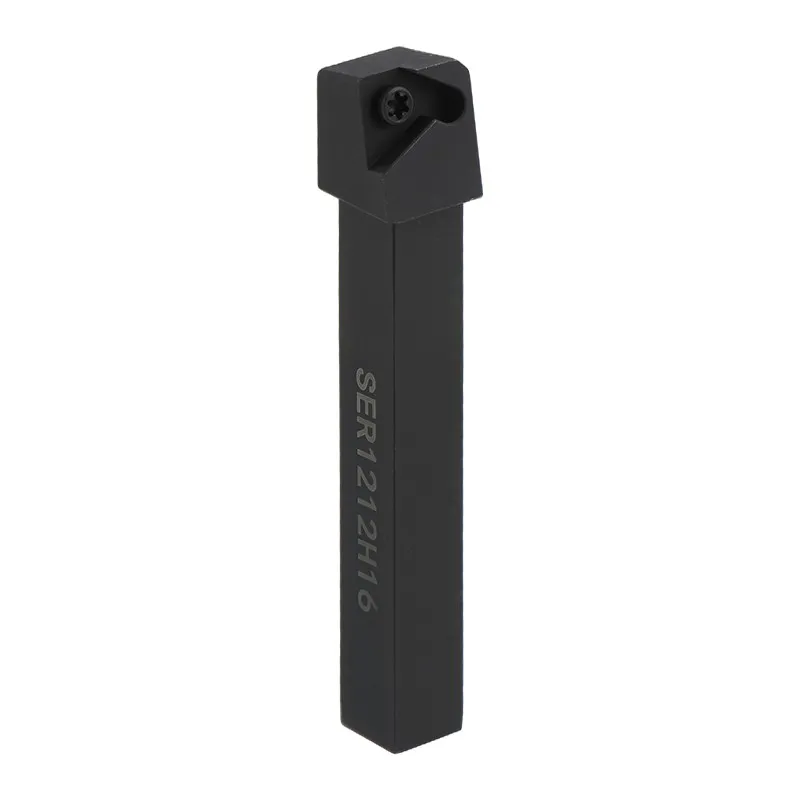
There are several types of turning tool holders available, each with its own advantages and disadvantages. The most common types of tool holders include:
- Quick-change tool holders: These tool holders allow you to quickly and easily change the cutting tool without having to remove the tool holder from the machine. They're ideal for applications where you need to change tools frequently.
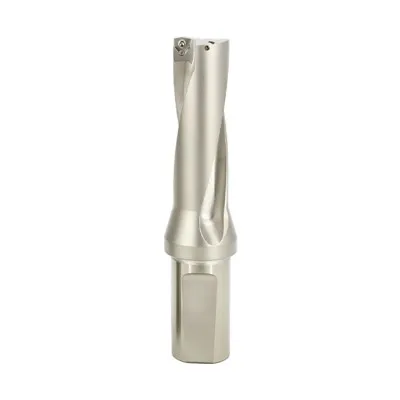
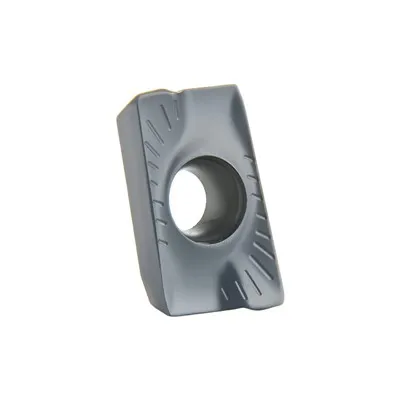
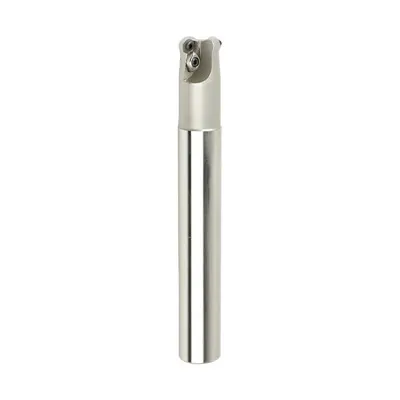
- Indexable tool holders: These tool holders use indexable inserts that can be rotated or replaced when they become worn. They're ideal for applications where you need to perform multiple machining operations with the same tool holder.
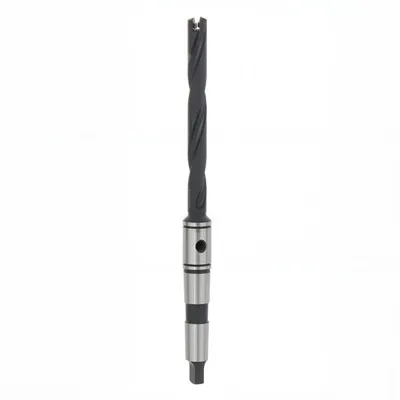
- Boring tool holders: These tool holders are used for boring operations, such as drilling and reaming. They're designed to hold the boring tool securely and provide accurate positioning.
Select the Right Cutting Tool
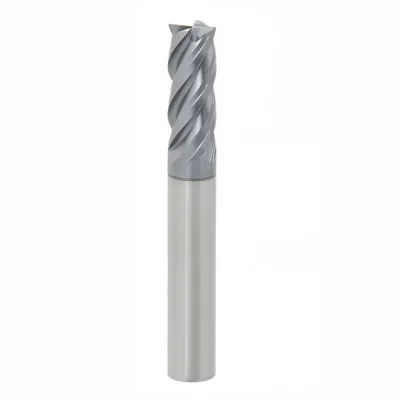
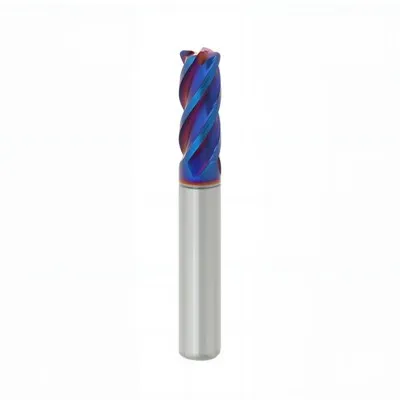
Once you've selected the right tool holder, you'll need to choose the right cutting tool. The type of cutting tool you choose will depend on the material you're working with and the machining operation you'll be performing.
For example, if you're working with a hard material like stainless steel or titanium, you'll need a cutting tool with a high carbide content and a sharp cutting edge. On the other hand, if you're working with a softer material like aluminum or brass, you can use a cutting tool with a lower carbide content and a more rounded cutting edge.
Consider the Tool Holder's Compatibility
Before you purchase a turning tool holder, you'll need to make sure it's compatible with your machine. Different machines have different tool holder interfaces, so you'll need to choose a tool holder that matches the interface on your machine.
You'll also need to consider the size and shape of the tool holder. Make sure the tool holder is the right size and shape for your machine and the machining operation you'll be performing.
Look for Quality and Durability
When selecting a turning tool holder, it's important to look for quality and durability. A high-quality tool holder will last longer and provide better performance than a low-quality tool holder.
Look for tool holders that are made from high-quality materials, such as steel or carbide. Make sure the tool holder is well-designed and has a good reputation for reliability.
Consider the Cost
Finally, you'll need to consider the cost of the turning tool holder. While it's important to choose a high-quality tool holder, you don't want to overspend.
Compare the prices of different tool holders and choose the one that offers the best value for your money. Keep in mind that the cost of the tool holder is just one factor to consider. You'll also need to consider the cost of the cutting tools, the cost of maintenance, and the cost of downtime.

Conclusion
Selecting the right turning tool holder for a specific material is a critical step in achieving optimal machining results. By understanding the material, considering the machining operation, choosing the right tool holder type, selecting the right cutting tool, considering the tool holder's compatibility, looking for quality and durability, and considering the cost, you can choose the perfect turning tool holder for your specific needs.
If you're looking for a reliable turning tool holder supplier, look no further. We offer a wide range of turning tool holders and cutting tools to meet your needs. Whether you're working with a hard material like stainless steel or a soft material like aluminum, we have the right tool holder for you.
To learn more about our products, please visit our website or contact us today. We'd be happy to help you select the perfect turning tool holder for your specific material.
References
- ASM Handbook, Volume 16: Machining, ASM International
- Machining Fundamentals, Society of Manufacturing Engineers
- Cutting Tool Engineering Handbook, Industrial Press Inc.
Related Products
If you're interested in purchasing any of these products or have any questions about our turning tool holders, please don't hesitate to contact us. We're here to help you find the right solution for your machining needs.