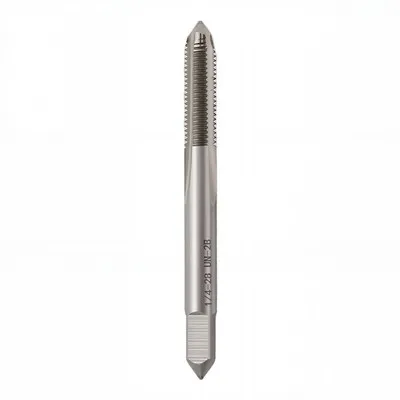
When it comes to the world of precision drilling, U drills have emerged as a crucial tool for various industries. As a supplier of U drills, I often get asked about the price range of these essential tools. In this blog post, I'll delve into the factors that influence the price of U drills and provide you with a comprehensive overview of the typical price ranges you can expect.
Factors Influencing the Price of U Drills
1. Material Quality
The material used in the manufacturing of U drills is one of the primary factors that determine their price. High - quality materials such as tungsten carbide (WC) are known for their exceptional hardness, wear resistance, and heat resistance. U drills made from tungsten carbide can withstand high - speed drilling operations and maintain their cutting edge for a longer time. On the other hand, drills made from less expensive materials like high - speed steel (HSS) are more budget - friendly but may not offer the same level of performance and durability.
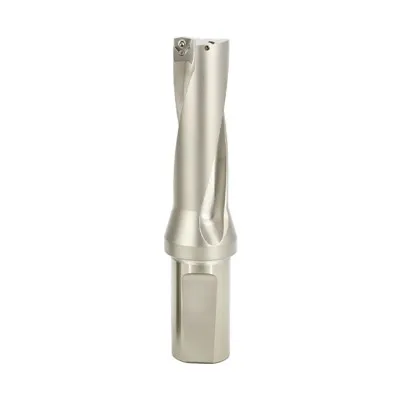
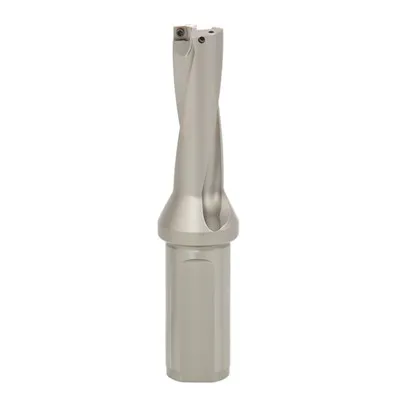
For instance, WC - Type U - Drills are generally more expensive due to the cost of tungsten carbide and the advanced manufacturing processes required to shape and sharpen them. These drills are ideal for applications where precision and long tool life are crucial, such as in the aerospace and automotive industries.
2. Drill Size
The size of the U drill also plays a significant role in its price. Larger drills require more material and more complex manufacturing processes, which can drive up the cost. Smaller U drills, on the other hand, are typically less expensive. The diameter of the drill is a key factor, as larger diameters often mean more material is needed to create the drill body and cutting edges. Additionally, the length of the drill can also affect the price, with longer drills generally being more costly.
3. Coating
Many U drills come with special coatings that enhance their performance. Coatings such as titanium nitride (TiN), titanium carbonitride (TiCN), and aluminum titanium nitride (AlTiN) can improve the drill's hardness, reduce friction, and increase its resistance to wear. Drills with these coatings are usually more expensive than uncoated ones, but they can offer significant benefits in terms of tool life and cutting performance. For example, a coated U drill may be able to drill more holes before needing to be replaced, which can result in cost savings in the long run.
4. Brand and Manufacturer
Well - known brands and manufacturers often charge a premium for their U drills. This is because they have a reputation for producing high - quality products, and they invest heavily in research and development, quality control, and customer support. While you may pay more for a drill from a well - established brand, you can also expect a higher level of reliability and performance. However, there are also many lesser - known manufacturers that offer good - quality U drills at more competitive prices.
5. Quantity
The quantity of U drills you purchase can also affect the price. Buying in bulk often allows you to get a better price per unit. Manufacturers and suppliers are usually willing to offer discounts for large orders, as it helps them reduce their production and distribution costs. If you have a high - volume drilling operation, it may be more cost - effective to buy U drills in larger quantities.
Typical Price Ranges
Low - End U Drills
Low - end U drills, typically made from high - speed steel and without special coatings, can range from $10 to $50 per drill. These drills are suitable for light - duty applications or for users on a tight budget. They may not offer the same level of performance as more expensive drills, but they can still get the job done for basic drilling tasks.
Mid - Range U Drills
Mid - range U drills, which are often made from tungsten carbide and may have a basic coating, usually cost between $50 and $200 per drill. These drills offer a good balance between performance and price. They are suitable for a wide range of applications, including general machining, metalworking, and woodworking. The SP - Type U - Drills fall into this category, providing reliable performance at a reasonable cost.
High - End U Drills
High - end U drills, made from premium materials, with advanced coatings, and precision manufacturing, can cost upwards of $200 per drill. These drills are designed for high - precision applications in industries such as aerospace, medical device manufacturing, and high - end automotive. They offer exceptional performance, long tool life, and the ability to drill difficult - to - machine materials with high accuracy.
How to Choose the Right U Drill for Your Needs
When selecting a U drill, it's important to consider your specific requirements. If you're working on a small - scale project or have a limited budget, a low - end drill may be sufficient. However, if you're involved in high - volume production or need to drill hard materials, investing in a mid - range or high - end drill is likely to be a better choice.
It's also important to consider the reputation of the manufacturer and the quality of the drill. Reading reviews and getting recommendations from other users can help you make an informed decision. Additionally, make sure to choose a drill that is the right size and has the appropriate coating for your application.
Contact for Purchase and Negotiation
If you're interested in purchasing U drills, I'd be more than happy to assist you. Whether you're looking for a specific type of U drill or need advice on which drill is best for your application, feel free to reach out. We can discuss your requirements in detail and negotiate the best price for your order. Our team of experts is dedicated to providing you with high - quality products and excellent customer service.


References
- "Machining Handbook", Industrial Press Inc.
- "Cutting Tool Engineering", SME (Society of Manufacturing Engineers)